
Seniors are highly vulnerable to heat exhaustion because aging diminishes the body’s ability to sweat and regulate temperature, while common medications (like diuretics) increase dehydration risks. To prevent heat exhaustion in Florida, seniors must stay in air-conditioned environments during peak sun hours (10 AM to 4 PM), drink water consistently before feeling thirsty, wear loose, breathable clothing, and utilize in-home caregivers to monitor their fluid intake and indoor temperatures.
Living in Southwest Florida whether in Fort Myers, Naples, or LaBelle means enjoying paradise for most of the year. However, from May through October, the combination of soaring temperatures and oppressive humidity creates a deeply hazardous environment for older adults.
For younger people, a hot day means sweating a little more and heading to the pool. For a senior, extreme heat is a life-threatening medical emergency. According to the CDC, people aged 65 and older are far more prone to heat-related health problems, including heat exhaustion and the often-fatal heat stroke.
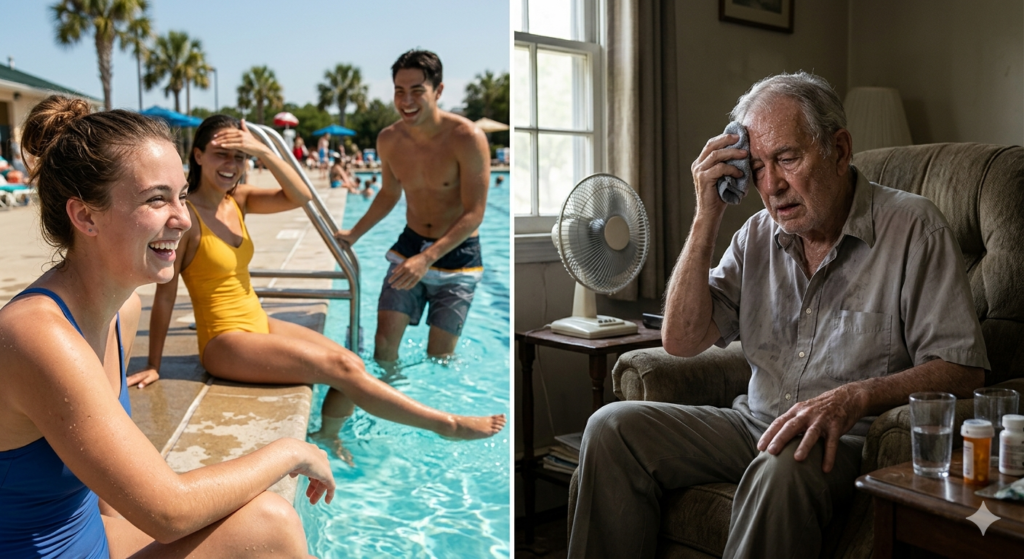
At Shal We Home Care summer safety protocols are a top priority. We train our caregivers to recognize the subtle, early warning signs of heat stress before it becomes a hospital-worthy crisis. Here is what every family needs to know about protecting their aging loved ones from the brutal Florida sun.
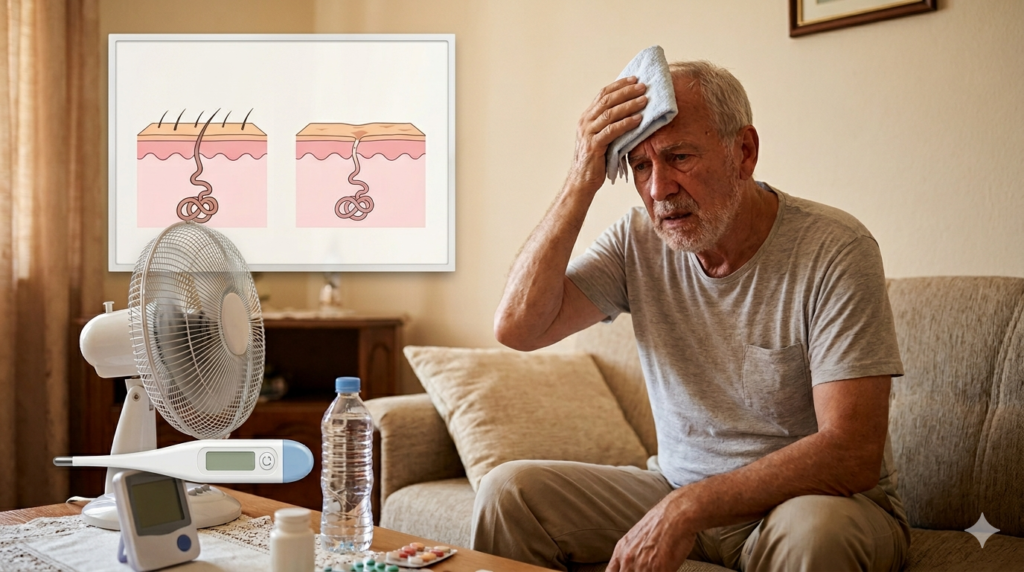
It is not just that seniors “don’t like” the heat; their biology actively works against them when temperatures rise.
- Decreased Sweating: Sweating is the body’s natural air-conditioning system. As we age, our sweat glands become less efficient, meaning the body cannot cool itself down as rapidly as it used to.
- Poor Blood Circulation: Efficient blood flow is required to push heat from the body’s core out to the skin to be released. Aging and cardiovascular disease impair this circulation, trapping heat inside the body.
- Diminished Thirst Response: As detailed in our post on dehydration, older adults do not feel thirsty until they are already dangerously dehydrated. Without adequate water, the body simply cannot produce sweat.
- Cognitive Decline: Seniors with Alzheimer’s or dementia may not realize they are overheating. They may sit on a sun-drenched patio wearing a heavy sweater and lack the cognitive awareness to move to the shade or take off a layer.
If your loved one is taking prescription medications, their risk of heat exhaustion doubles. Many common drugs prescribed to seniors interfere with hydration and temperature regulation.
- Diuretics (Water Pills): Prescribed for high blood pressure or heart failure, these medications force the body to excrete water, leading to rapid dehydration in hot weather.
- Beta-Blockers: These heart medications reduce blood flow to the skin, preventing the body from releasing heat.
- Antidepressants and Antihistamines: These can inhibit the body’s ability to sweat.
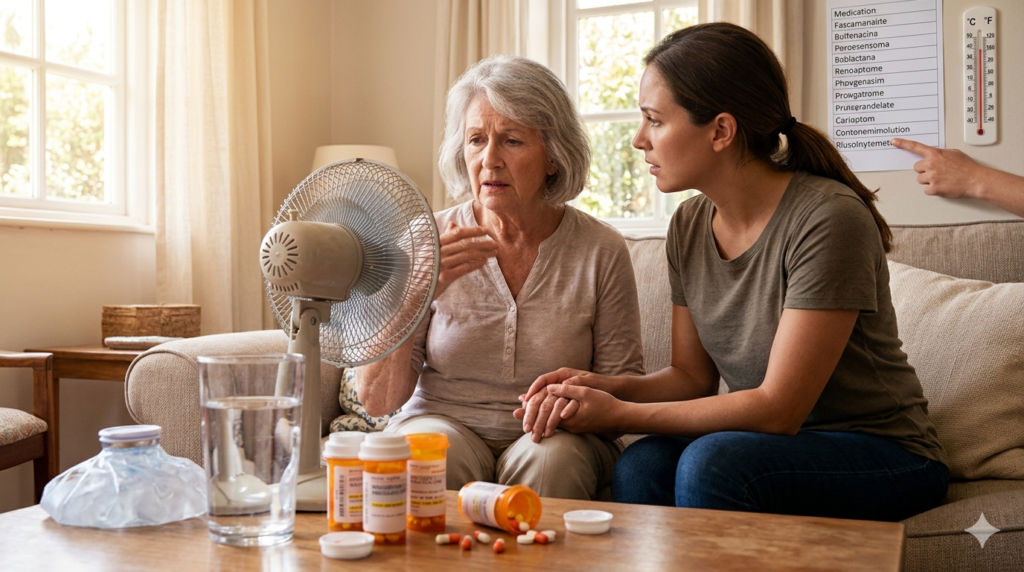
Always consult your loved one’s pharmacist or physician to ask if their specific medications increase their sensitivity to the sun or heat.
You must know the difference between these two conditions to respond appropriately.
Heat Exhaustion (Warning Stage):
- Symptoms: Heavy sweating, paleness, muscle cramps, tiredness, weakness, dizziness, headache, nausea or vomiting, fainting.
- Action: Move the senior to a cool, air-conditioned place immediately. Loosen their clothing, apply cool, wet cloths to their neck and wrists, and offer sips of water. If symptoms worsen or last longer than an hour, seek medical help.

Heat Stroke (Medical Emergency – Call 911):
- Symptoms: Extremely high body temperature (above 103°F), red/hot/DRY skin (no sweating), rapid and strong pulse, throbbing headache, dizziness, nausea, confusion, or unconsciousness.
- Action: Call 911 immediately. Heat stroke can cause permanent brain damage or death. Move them to a cool place and attempt to lower their temperature with cool cloths or a cool bath while waiting for paramedics. Do NOT give them anything to drink if they are confused or unconscious, as they may choke.
1. Respect the Clock The Florida sun is most punishing between 10:00 AM and 4:00 PM. Schedule all outdoor activities like gardening, walking the dog, or checking the mail before 9:00 AM or after the sun goes down.
2. Hydrate Before Thirst Hits Do not wait for them to ask for water. Encourage a schedule: drink a glass of water upon waking, with every meal, and before going outside. Supplement with water-rich foods like watermelon, cucumbers, and popsicles.
3. Optimize the Indoor Environment Many seniors, fearful of high electric bills, will turn their AC off or set it to 80 degrees. This is incredibly dangerous. Ensure the thermostat is set to a comfortable, safe temperature (around 72-74 degrees). Check that ceiling fans are running to circulate the air.
4. Dress for the Tropics If your loved one has dementia, you must choose their clothes carefully. Opt for light-colored, loose-fitting, breathable cotton or linen fabrics.
When adult children are at work all day, it is terrifying to wonder if Mom has turned off the AC to save money, or if Dad is trying to mow the lawn at noon.
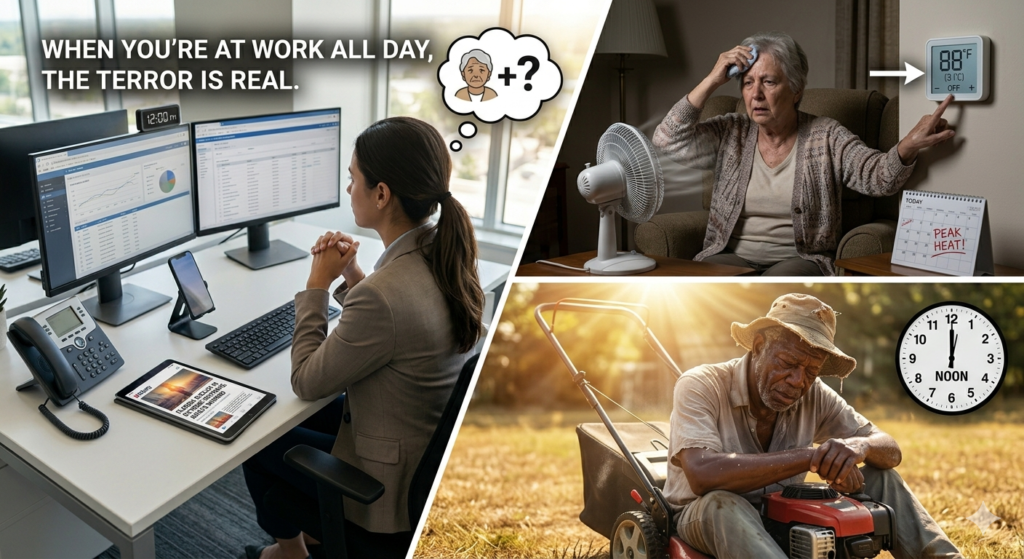
At Shal We Home Care serving Lee, Collier, and Hendry counties, our caregivers act as your summer safety net.
- We monitor the thermostat to ensure the home remains a safe temperature.
- We actively manage hydration, providing regular drinks and water-rich snacks.
- We manage outdoor activities, ensuring your loved one only goes outside during safe hours and wears appropriate sun protection.
- We provide transportation in pre-cooled, air-conditioned vehicles so they never have to wait outside for a bus or a ride-share.
- Biology Fights Back: Aging reduces sweat production and thirst, making seniors highly susceptible to overheating.
- Check the Meds: Diuretics and blood pressure medications drastically increase the risk of heat exhaustion.
- Know the Signs: Heat exhaustion features heavy sweating and weakness; heat stroke features dry, red skin and confusion (Call 911).
- Control the Environment: Ensure the AC is running and keep seniors indoors between 10 AM and 4 PM.
- Hire the Watchful Eye: Use professional home care to monitor hydration and indoor temperatures when you cannot be there.
Worried about the summer heat? Don’t leave your loved one’s safety to chance. Contact Shal We Home Care today to learn how our compassionate caregivers keep Southwest Florida seniors cool, hydrated, and safe all summer long.