
Navigating the complex healthcare system requires organization and advocacy. An in-home caregiver assists seniors by providing safe transportation to specialists, acting as a “second set of ears” to take detailed notes during appointments, ensuring post-hospital discharge instructions are followed precisely at home, and managing complex medication schedules, ultimately bridging the gap between the doctor’s office and the senior’s living room.
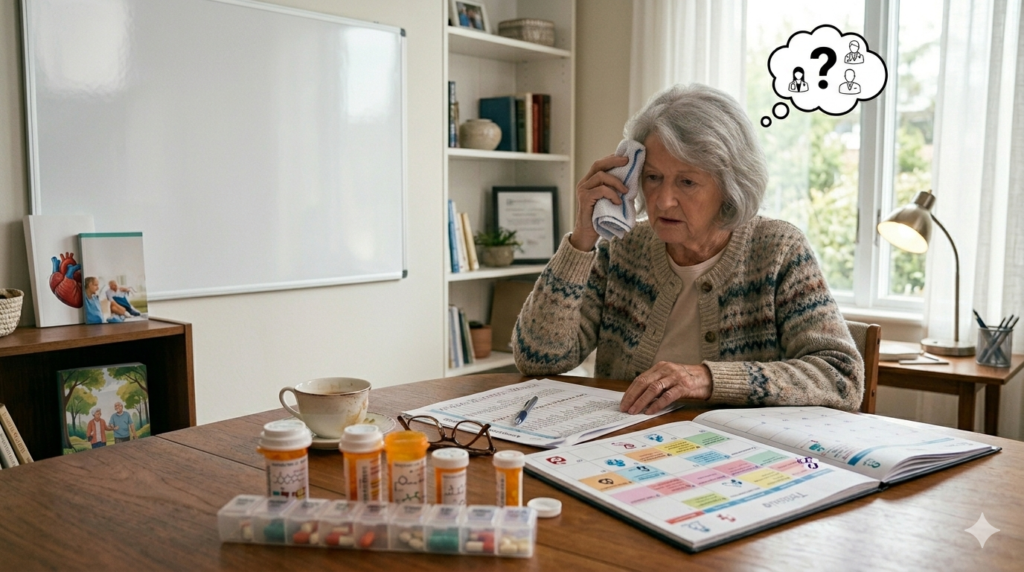
Aging rarely comes with just one doctor. The average senior in their 80s has a primary care physician, a cardiologist, an eye specialist, perhaps an endocrinologist, and a physical therapist.
Managing this web of appointments, conflicting instructions, and changing prescriptions is a full-time job. For an aging adult dealing with fatigue, hearing loss, or mild cognitive decline, walking into a busy clinical environment is deeply overwhelming. They often nod their head, agree with the doctor, and return home with no clear understanding of what they are actually supposed to do next.
When adult children live out of state or work full-time, they cannot attend every appointment. The solution? Treating your professional in-home caregiver as your on-the-ground healthcare advocate.
Living in Lee, Collier, or Hendry county means having access to phenomenal healthcare networks, including Lee Health, NCH Healthcare System, and numerous specialized clinics.
However, during “Season” (the winter months when Snowbirds arrive), these systems become incredibly congested. Traffic on US-41 or Colonial Blvd crawls, waiting rooms are packed, and doctors are rushed. Navigating this environment requires patience, logistics, and stamina things many seniors lack.
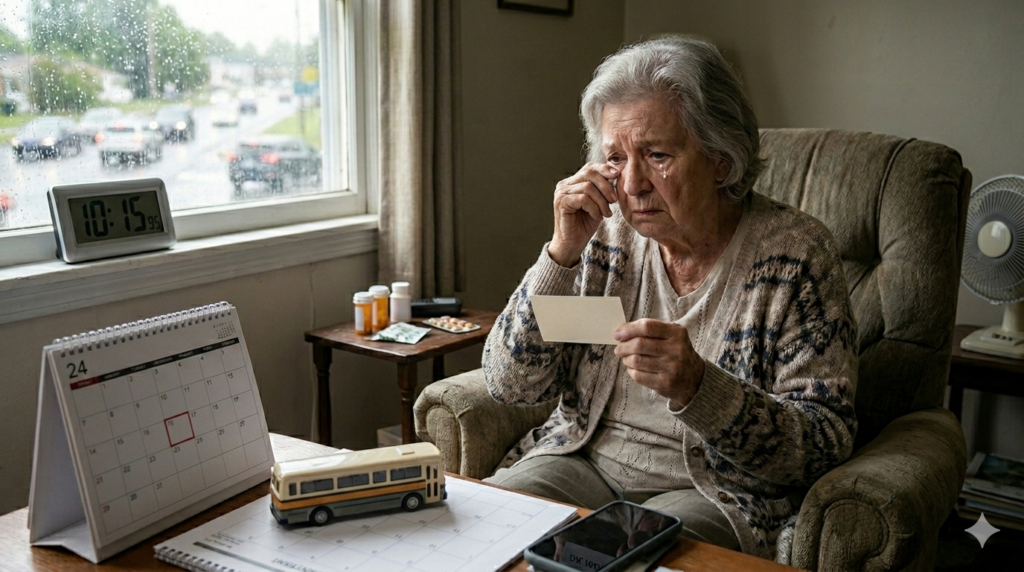
Missing a doctor’s appointment because of a lack of transportation is a primary cause of health decline in seniors.
- Door-Through-Door Service: Unlike a taxi or a ride-share app that drops you at the curb, a caregiver from Shal We Home Care provides door-through-door service. We help the senior get dressed, assist them safely into the car, drive them to the clinic, help them navigate the massive hospital parking garages, and walk them directly into the waiting room.
- Reducing Stress: For a senior with mobility issues, simply getting to the doctor is exhausting. When a caregiver handles the driving and the wheelchair, the senior arrives at the appointment with the energy needed to actually speak with their physician.
Have you ever asked your parent how their doctor’s appointment went, only for them to reply, “Oh, fine. The doctor said I’m doing great,” but they have a new prescription bottle and no idea what it’s for?

White-coat syndrome (anxiety in medical settings) and age-related hearing loss mean seniors frequently miss critical instructions.
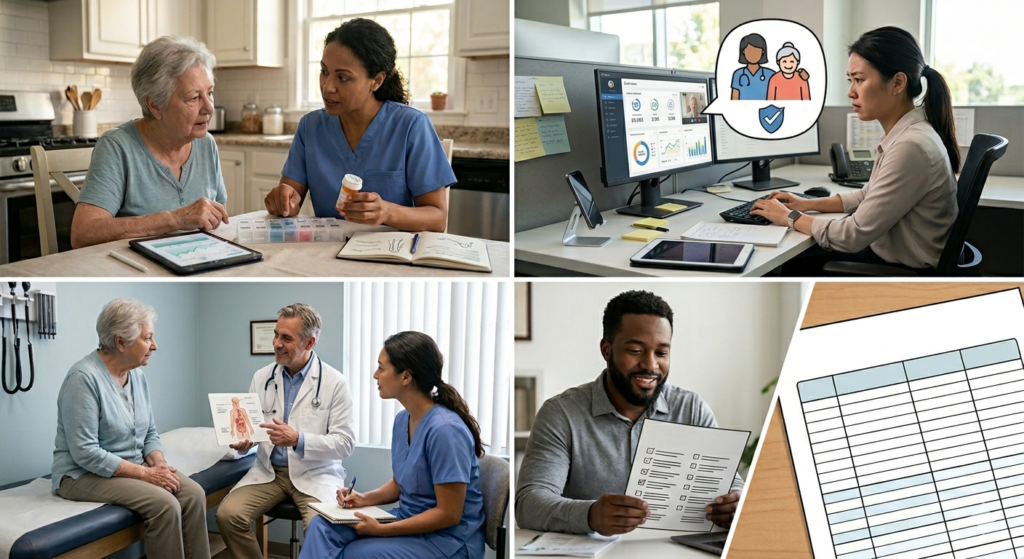
- Taking Notes: With the senior’s permission, a Shal We Home Care caregiver can sit in the consultation room. They act as a respectful observer, taking detailed, written notes on medication changes, dietary restrictions, and follow-up requirements.
- Relaying to Family: After the appointment, the caregiver provides these notes to the family members, ensuring nothing is lost in translation and that out-of-state children remain perfectly informed.

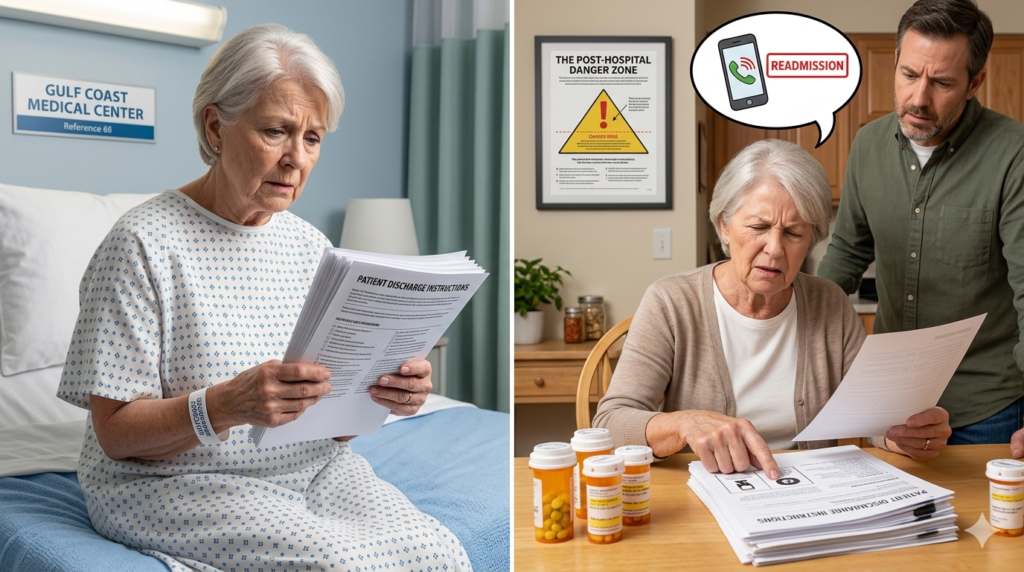
As we noted in our post on post-hospital recovery, the transition from a hospital bed (like Gulf Coast Medical Center or Naples Community Hospital) back to the home is the most dangerous period for a senior. Readmission rates are high, usually due to a failure to follow discharge instructions.
- Bridging the Gap: A caregiver ensures that the physical home environment is ready for the returning patient.
- Following the Plan: If the hospital discharge paperwork says, “Patient must drink 64 ounces of water daily and elevate legs for two hours,” the caregiver makes sure those exact instructions are executed. We turn the doctor’s paperwork into daily, actionable routines.
Between the primary care doctor, the cardiologist, and the hospital, seniors often end up with a confusing “polypharmacy” situation where they are taking 10+ different pills at various times of the day.
- Pharmacy Runs: Caregivers handle the logistics of picking up new prescriptions from local pharmacies, preventing the senior from going without necessary medication.
- Reminders: While non-medical caregivers cannot administer IVs or injections, they provide vital Medication Reminders. We ensure the pill organizer (set up by a family member or nurse) is followed accurately, prompting the senior to take the right pill at the right time, with or without food as directed by the physician.

Healthcare doesn’t just happen in a hospital; it happens in the kitchen, the bathroom, and the living room.
At Shal We Home Care, we view ourselves as a vital piece of your healthcare team in Southwest Florida. We are the executors of the doctor’s plan. We ensure that the advice given in the clinic is actually lived out in the home. By acting as your eyes, ears, and hands, we reduce the burden on family members and significantly improve the health outcomes for the senior.
- Don’t Go It Alone: The modern medical system is too complex for an ailing senior to navigate safely without an advocate.
- Safe Transport: Caregivers provide safe, door-through-door transportation to crowded Southwest Florida clinics.
- Take Notes: Use a caregiver as a “second set of ears” to document doctor instructions and medication changes for the family.
- Prevent Readmissions: Caregivers ensure hospital discharge instructions are meticulously followed at home.
- Manage the Meds: Caregivers provide the daily reminders necessary to keep complex medication schedules on track.
Are you overwhelmed by your parent’s medical schedule? You don’t have to manage the logistics alone. Contact Shal We Home Care today. Let us help your loved one navigate the healthcare system safely and comfortably.