
Florida’s pollen, mold, and humidity can cause severe respiratory issues in seniors. Learn how to improve indoor air quality and manage COPD or asthma effectively.
Florida’s high humidity, year-round pollen, and indoor mold create severe risks for seniors with respiratory issues like COPD or asthma. To manage these risks, caregivers must optimize indoor air quality by using HEPA air purifiers, changing AC filters monthly, keeping windows closed during high-pollen seasons, and utilizing dehumidifiers to prevent mold growth. Additionally, professional in-home caregivers can ensure strict adherence to inhaler and nebulizer medication schedules.
Southwest Florida is renowned for its lush, green landscapes, towering palm trees, and balmy breezes. But for seniors living with Chronic Obstructive Pulmonary Disease (COPD), asthma, or severe seasonal allergies, the very environment that makes Florida beautiful can also make it dangerous.
Unlike northern states where winter kills off allergens for months at a time, Florida has a year-round growing season. This means pollen, mold spores, and intense humidity are a constant, 365-day threat.
When an aging parent struggles to breathe, their entire quality of life collapses. They become too exhausted to walk, their sleep is disrupted by coughing, and their heart is forced to work overtime to circulate oxygen. Protecting an elderly loved one from Florida’s unique respiratory triggers requires diligent home maintenance and strict medication management.
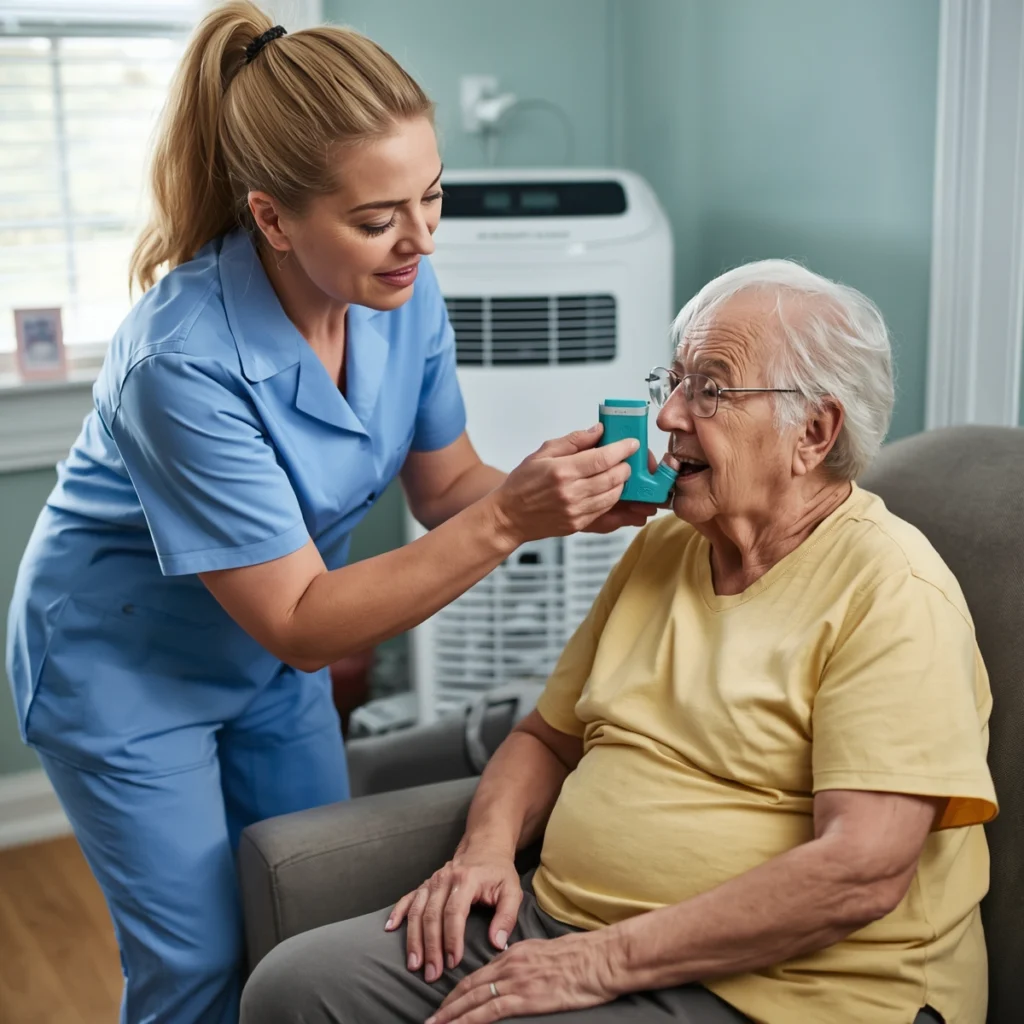
As the body ages, the respiratory system undergoes natural changes that make it far less equipped to handle allergens and pollutants.
- Decreased Elasticity: The lungs lose their natural elasticity, meaning they cannot fully inflate or forcefully exhale. This traps stale air inside the lungs.
- Weaker Cough Reflex: A younger person will violently cough out dust or pollen that enters their airway. Seniors have a diminished cough reflex, allowing microscopic irritants (and fluid) to settle deep in the lungs, rapidly leading to bronchitis or pneumonia.
- Compromised Immune Systems: An older immune system overreacts to benign things (like oak pollen) but underreacts to actual threats (like bacterial infections), making allergy season incredibly taxing on the body.
To manage the environment, you must know what you are fighting against.
1. Humidity and Mold Spores: Florida’s defining characteristic is humidity. When indoor humidity rises above 50%, the home becomes a breeding ground for mold and dust mites. Mold spores are microscopic and easily inhaled, triggering severe asthma attacks and COPD exacerbations.
2. Year-Round Pollen In Lee and Collier counties, there is no “off-season” for allergies. Oak and pine trees blanket cars in yellow dust in the spring, while grasses and ragweed dominate the late summer and fall.
3. Red Tide (Coastal Toxin) If your parent lives near the Gulf Coast, red tide (algal blooms) releases aerosolized brevetoxins into the sea breeze. For a healthy person, this causes a mild cough. For a senior with COPD, inhaling Red Tide toxins can trigger a lethal respiratory spasm.
Because the outdoor air is unpredictable, the senior’s home must become a sealed, clean-air sanctuary.
- AC Maintenance is Medical Care: In Florida, the air conditioner does not just cool the air; it removes the humidity. The AC must run consistently. Change the HVAC filters every 30 days religiously, and upgrade to a MERV 11 or MERV 13 filter, which traps microscopic pollen and pet dander.
- Invest in HEPA Purifiers: Place a high-quality HEPA (High-Efficiency Particulate Air) purifier in the senior’s bedroom and the room where they spend the most time (like the living room). Ensure the filter is a true HEPA, not an “ionizer” (which can produce lung-irritating ozone).
- Keep Windows Closed: On a beautiful, breezy January day, it is tempting to open the sliding glass doors to “air out” the house. Do not do this. You are inviting millions of pollen spores to settle into the carpets and upholstery. Keep the windows shut.
- Manage Humidity: If the home feels damp, purchase a standalone dehumidifier to keep indoor humidity levels between 30% and 50% to starve out mold and dust mites.
Seniors with respiratory issues often have complex medication regimens involving rescue inhalers, daily maintenance inhalers, and sometimes nebulizer machines or supplemental oxygen.
- The Dexterity Challenge: Inhalers are notoriously difficult for seniors to use correctly. Arthritis makes it hard to press the canister, and cognitive decline makes it difficult to coordinate the “press and inhale” timing.
- The Spacer Solution: Ask the pharmacist for an “inhaler spacer” (a plastic tube that attaches to the inhaler). This holds the medicine in a chamber, allowing the senior to breathe it in slowly through a mask or mouthpiece, eliminating the need for perfect timing.
- Cleaning Nebulizers: If they use a nebulizer machine, the masks and tubes must be cleaned rigorously after every use. A dirty nebulizer will pump bacteria directly into fragile lungs.
Do not wait for a senior’s lips to turn blue before calling for help. Watch for these early warning signs of an allergy or COPD flare-up:
- Increased use of their “rescue” inhaler.
- A sudden refusal to lay flat in bed (propping themselves up on multiple pillows to breathe).
- Extreme fatigue or confusion (caused by a lack of oxygen to the brain).
- Wheezing or a new, productive “rattling” cough.
Managing indoor air quality and ensuring inhalers are used correctly is a massive burden for adult children who do not live with their parents.
At Shal We Home Care, our caregivers act as the first line of defense for seniors with respiratory vulnerabilities in Southwest Florida.
- Environmental Control: We ensure the AC is running, the windows remain closed during high pollen days, and the home is dusted with damp cloths (not dry dusters that kick dust into the air).
- Medication Reminders: We provide vital reminders to use maintenance inhalers as prescribed, ensuring the senior uses the device (or spacer) correctly.
- Symptom Monitoring: Our caregivers are trained to observe. If we notice your father is breathing heavier than usual or struggling to cross the room without panting, we alert the family immediately so a doctor can intervene before a 911 call becomes necessary.
- Florida is Unique: Year-round pollen, high humidity, and coastal red tide pose severe, 365-day threats to aging lungs.
- Seal the House: Keep windows closed, change AC filters monthly, and use standalone HEPA air purifiers in the bedroom.
- Control Humidity: Use a dehumidifier to keep indoor moisture below 50% to prevent mold growth.
- Assist with Inhalers: Ask the doctor for a “spacer” to make inhaler use easier for seniors with arthritis or cognitive decline.
- Professional Vigilance: Utilize in-home caregivers to maintain a dust-free environment and provide strict reminders for respiratory medications.

Is your loved one struggling to catch their breath at home? Protect their environment and their health.
Contact Shal We Home Care today. Let our team ensure your loved one’s home is a clean, safe, and heavily monitored sanctuary in Southwest Florida.