
Creating a sensory-safe home environment involves identifying and modifying sensory triggers like harsh lighting, loud noises, and visual clutter. By utilizing soft LED lighting, soundproofing techniques, designated “quiet zones,” and organized spaces, parents can drastically reduce anxiety and meltdowns for children with autism, fostering a peaceful and supportive living space.
For a neurotypical person, the brain acts as a highly efficient filter. It naturally tunes out the hum of the refrigerator, the brightness of overhead lights, or the scratchy tag on a t-shirt.
For a child or adult with Autism Spectrum Disorder (ASD), this filter often works differently. Many individuals with autism experience Sensory Processing Disorder (SPD). They may be hypersensitive (over-responsive) to sensory input, meaning ordinary sights, sounds, and textures feel physically painful or overwhelmingly loud. Conversely, they may be hyposensitive (under-responsive), leading them to seek out intense sensory input like spinning, crashing, or touching everything.
When a home is filled with unmanaged sensory triggers, the child remains in a constant state of “fight or flight.” This chronic stress is the root cause of many behavioral challenges and meltdowns.
By intentionally modifying your home environment particularly in our unique Southwest Florida climate you can create a sanctuary that promotes emotional regulation and peace for your neurodivergent loved one.
Taming the Visual Environment (Lighting and Clutter)
Visual clutter and harsh lighting are two of the most common, yet easily fixable, sensory triggers.
The Problem with Lighting
Traditional fluorescent lights are a nightmare for many autistic individuals. They emit a subtle, high-frequency flicker and a low buzz that neurotypical people ignore, but which can cause severe headaches and anxiety for someone with ASD.
- The Solution: Swap out harsh overhead bulbs for warm-toned LED lights. Better yet, rely on natural light and strategically placed floor or table lamps. Installing dimmer switches in the child’s bedroom and main living areas allows you to control the visual intensity of the room based on their current mood.
Visual Clutter Causes Mental Clutter
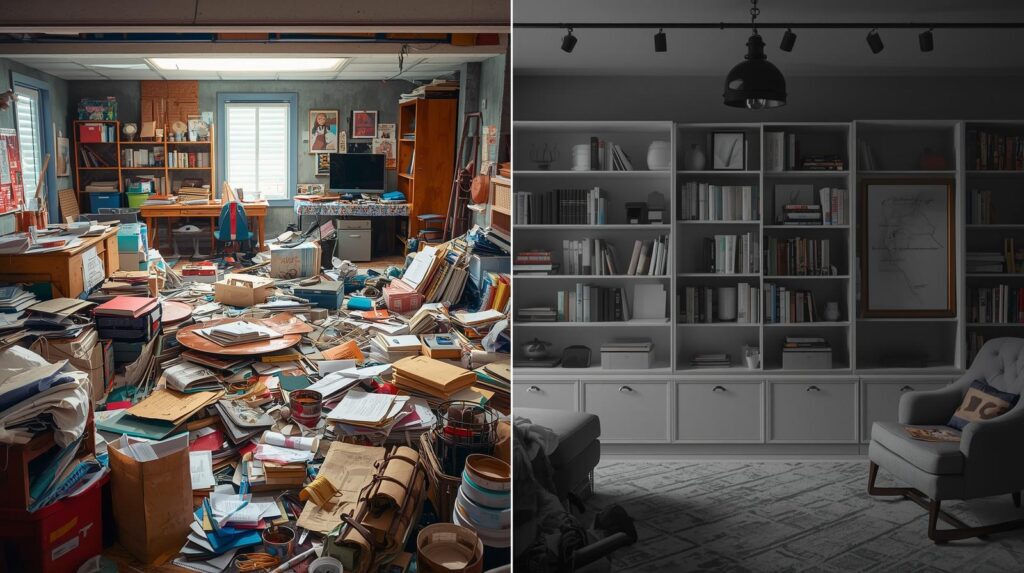
A room filled with brightly colored toys, busy wallpaper, and piles of laundry isn’t just messy; to an autistic brain, it is an overwhelming barrage of visual data demanding processing.
- The Solution: Adopt a minimalist approach. Use closed storage bins (solid colors, not clear plastic) so toys are out of sight when not in use. Paint walls in soothing, neutral, or muted cool tones (like soft blues, greens, or grays). Avoid busy patterns on rugs and curtains.
Managing the Auditory Landscape (Sound Control)
Auditory hypersensitivity is incredibly common. The sudden bark of a dog, the whir of a blender, or even the echo of footsteps on tile can trigger panic.
- Soften the Hard Surfaces: Florida homes are known for their beautiful, cool tile floors. Unfortunately, tile acts as an acoustic amplifier, causing sound to bounce and echo harshly. Introduce thick, soft area rugs to absorb ambient noise. Hang heavy curtains over windows, which not only block harsh sunlight but also muffle outside traffic sounds.
- Appliance Awareness: Pay attention to your appliances. If the vacuum cleaner causes a meltdown, try to vacuum only when the child is out of the house or wearing noise-canceling headphones.
- White Noise: Sometimes, the house is too quiet, making sudden noises more jarring. Using a white noise machine or a fan can create a soothing auditory baseline that masks abrupt background sounds.
Creating a Dedicated “Crash Pad” or Quiet Zone
Every sensory-safe home needs a designated “escape route” a specific area where the child can retreat when they feel a meltdown coming on or when they are experiencing sensory overload.
This does not need to be a whole room; it can be a corner of their bedroom or a walk-in closet.
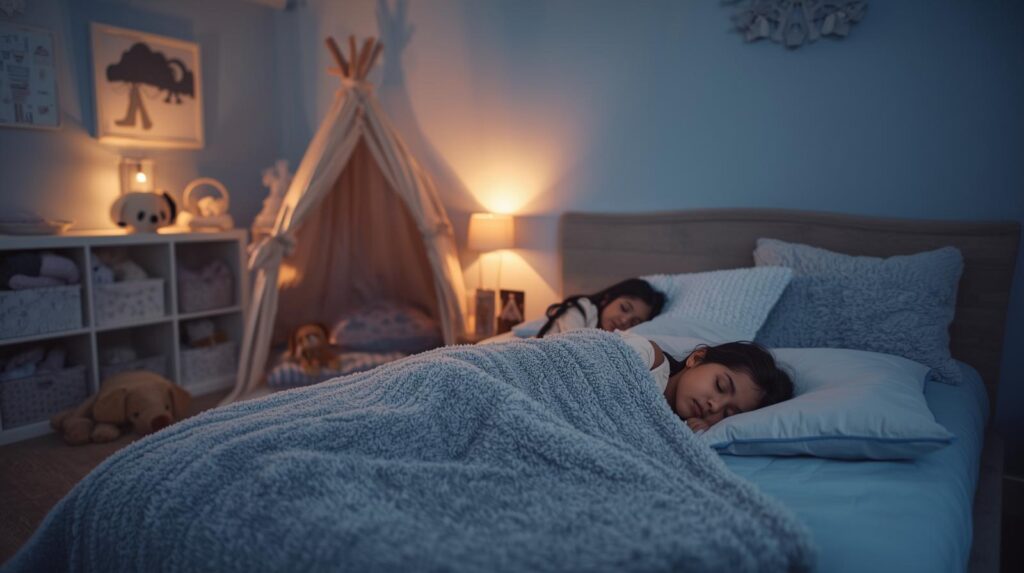
- For the Hypersensitive Child (Seeking Calm): Equip this space with a pop-up indoor tent (to block visual input), a weighted blanket (for deep pressure therapy), noise-canceling headphones, and soft, dimmable lights.
- For the Hyposensitive Child (Seeking Input): If your child needs to expel energy to regulate, create a “crash pad.” Use old mattresses or large bean bag chairs where they can safely jump and crash. Consider a doorway swing or a mini-trampoline for vestibular input.

Florida-Specific Sensory Challenges
Living in Lee, Collier, or Hendry county presents unique environmental factors that families must manage.
- The Extreme Sun: The blinding Florida sun reflecting off water or white pavement can be visually painful. Ensure you have high-quality blackout curtains in the child’s bedroom to regulate their sleep cycle and provide a dark retreat during the day.
- The HVAC System: Air conditioning is running almost constantly. The sudden “kick-on” rumble of the AC unit, or the feeling of cold air blowing directly on their skin, can be dysregulating. Adjust vents so they do not blow directly onto beds or seating areas.
- Summer Thunderstorms: The sudden, booming thunder of daily summer storms causes severe anxiety for many autistic children. Have a “storm protocol” ready: close the blinds before the storm hits (to block the lightning flashes), put on noise-canceling headphones, and turn on a favorite movie.

How Home Care Professionals Support Sensory Needs
Maintaining a sensory-safe home requires constant vigilance, which is exhausting for parents. When you hire an in-home caregiver from Shal We Home Care, you are bringing in a partner who understands these environmental needs.
- Maintaining the Peace: Our specialized caregivers are trained to respect the sensory environment. They know not to turn on the harsh overhead lights, they speak in calm, regulated tones, and they proactively close doors when using noisy appliances.
- Routine Management: We help maintain the physical organization of the home. By assisting with light housekeeping and putting toys away in their designated bins, we keep the visual clutter to a minimum, ensuring the environment remains calming.
- Guided Sensory Play: Caregivers can guide your child through occupational-therapy-approved sensory activities, ensuring they get the “sensory diet” they need to stay regulated while you take a much-needed break.
Key Takeaways
- Identify Triggers: Pay attention to what causes your child to cover their ears, squint, or become agitated.
- Control the Lighting: Swap fluorescent overheads for dimmable, warm LED lamps and utilize blackout curtains.
- Absorb Sound: Use rugs, heavy curtains, and soft furnishings to reduce echoes on hard tile floors.
- Create a Retreat: Establish a dedicated “quiet zone” or “crash pad” where the child can safely self-regulate.
- Seek Support: Specialized caregivers can help maintain this organized, sensory-friendly environment while providing you with essential respite.

Does your home feel overwhelming?
Creating a supportive environment is the first step toward peace. If you need professional, compassionate support for your neurodivergent child in Southwest Florida, contact Shal We Home Care today.
