
In-home caregivers teach daily living skills to special needs adults by utilizing “Task Analysis,” which breaks complex chores into small, manageable steps. By combining this with visual schedules, positive reinforcement, and consistent repetition, caregivers empower neurodivergent adults to master personal hygiene, cooking, and cleaning, fostering long-term independence and self-esteem.
The Philosophy: “Doing With,” Not “Doing For
When caring for an adult with autism, Down syndrome, or other developmental and cognitive disabilities, the easiest and fastest route is almost always to simply do the task for them. It is faster for a parent to tie the shoes, make the sandwich, and fold the laundry.
However, “fast and easy” does not build independence.
At Shal We Home Care, operating in Lee, Collier, and Hendry counties, our philosophy is fundamentally different. Our professional caregivers operate under the mantra of “Doing With, Not Doing For.” Our goal is not just to maintain a clean house or a fed client; our goal is to actively teach, mentor, and empower special needs adults to master the skills they need to live as autonomously as possible.
Teaching Daily Living Skills (DLS) requires a specialized approach that respects the individual’s cognitive processing style while challenging them to grow.
ADLs vs. IADLs for the Neurodivergent Adult
When we talk about teaching life skills, we break them down into two distinct categories. A trained caregiver assesses where the individual struggles and builds a teaching plan around those specific gaps.
1. Activities of Daily Living (ADLs):
These are the fundamental, routine activities required for basic self-care and physical health.
- Bathing and showering safely.
- Oral hygiene (brushing and flossing).
- Toileting and personal hygiene.
- Dressing appropriately for the weather and occasion.
- Self-feeding.
2. Instrumental Activities of Daily Living (IADLs):
These are the more complex executive-functioning skills required to live independently in a community.
- Meal planning, safe cooking, and using kitchen appliances.
- Housekeeping (doing laundry, vacuuming, doing dishes).
- Money management (understanding currency, making small purchases).
- Communication (using a phone, answering the door safely).
- Time management and following a daily schedule.

The Secret Weapon: Task Analysis
How do you teach a young adult with autism to do their own laundry when the concept of “doing laundry” is overwhelmingly complex? You use Task Analysis.
Task Analysis is a foundational technique in special education. It involves taking a complex, multi-step chore and breaking it down into incredibly small, discrete, and manageable steps.
Instead of saying, “Go do your laundry,” a caregiver teaches the task like this:
- Pick up the laundry basket.
- Walk to the washing machine.
- Open the washing machine lid.
- Put the clothes inside the machine.
- Pick up the detergent pod.
- Place one pod in the machine.
- Close the lid.
- Press the “Normal” button.
- Press the “Start” button.
The caregiver teaches one step at a time, providing physical or verbal prompts as needed, and slowly fading those prompts away until the adult can chain all the steps together independently.

Creating Visual Schedules and Systems
Auditory processing can be challenging for many neurodivergent adults. If you give a verbal list of three instructions (“Brush your teeth, put on your shoes, and grab your backpack”), the individual may only process the last item.
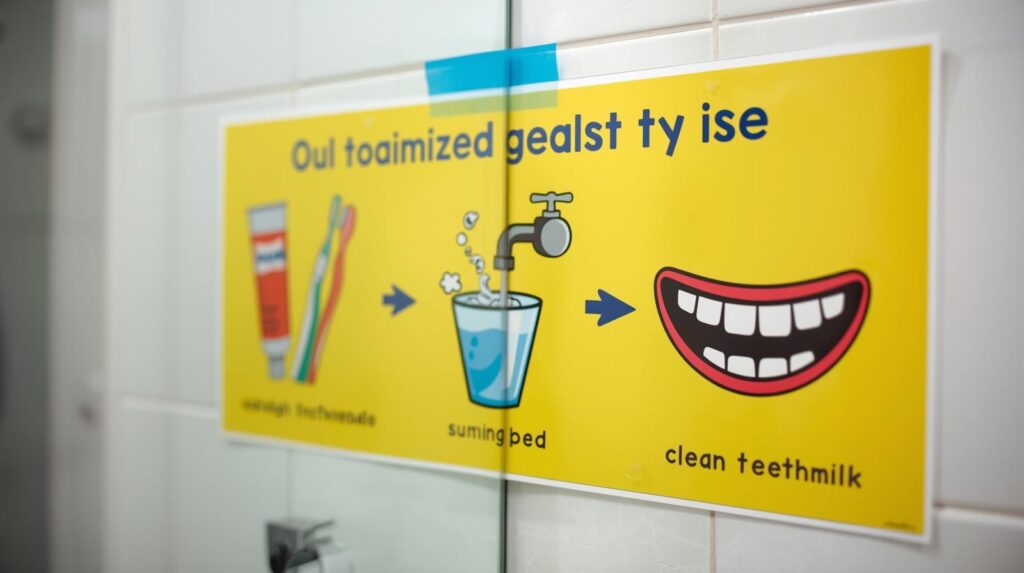
Caregivers bypass this by creating Visual Schedules.
- Bathroom Routines: A laminated checklist is taped to the bathroom mirror with pictures showing: 1. Toothbrush with paste, 2. Brushing teeth, 3. Spitting, 4. Rinsing brush.
- Kitchen Safety: Color-coded stickers can be placed on the microwave indicating which buttons to press to heat up a preferred meal safely.
- First/Then Boards: To motivate the individual to complete a non-preferred task (like sweeping the floor), caregivers use visual boards showing: “FIRST sweep the floor, THEN we play the video game.”
The Power of Patience and Positive Reinforcement
Learning new skills is frustrating, and it takes significantly longer for an adult with cognitive delays. This is where the objective patience of a professional caregiver is invaluable.
Parents, understandably, are often exhausted and emotionally intertwined with their child’s success. A Shalwe Home Care caregiver brings fresh, professional patience to the home. They utilize Positive Reinforcement—celebrating the small victories immediately and consistently. Whether it is a high-five, verbal praise, or a token reward system, focusing on what the individual did right rather than what they did wrong builds the motivation to keep trying.

Building Self-Esteem Through Autonomy
Why do we put so much effort into teaching these skills? Because autonomy equals dignity.
When a special needs adult learns how to make their own lunch or pick out their own clothes, they stop being a passive receiver of care and become an active participant in their own life. This fosters an incredible sense of pride, boosts self-esteem, and dramatically reduces anxiety and behavioral outbursts caused by a lack of control over their environment.
How Shalwe Home Care Experts Teach Life Skills
In Southwest Florida, finding caregivers who understand the nuances of developmental disabilities is challenging.
At Shal We Home Care, our team is specifically trained to support the special needs community. We don’t just watch the clock; we work the plan. We collaborate closely with parents, occupational therapists, and behavior analysts to ensure that the methods we use in the home align perfectly with the goals the individual is working on in their day programs or therapies. We provide consistency, safety, and a pathway to independence.
Key Takeaways
- Focus on Autonomy: The ultimate goal of in-home care for special needs adults is to teach them to do tasks independently, not to do tasks for them.
- Break it Down: Use “Task Analysis” to turn overwhelming chores (like cooking or laundry) into tiny, step-by-step instructions.
- Make it Visual: Rely on visual schedules, pictures, and checklists rather than overwhelming verbal instructions.
- Praise the Process: Use positive reinforcement and professional patience to build confidence and self-esteem.
- Partner with Professionals: Agencies like Shalwe Home Care provide caregivers trained in these specific, empowering methodologies.
Do you want to help your loved one build independence at home?
The journey to autonomy begins with the right support. Contact Shal We Home Care today to learn how our specialized caregivers can help teach daily living skills to your neurodivergent loved one in Lee, Collier, or Hendry county.

Categories & Tags
Categories: Life Skills, Special Needs Support, Autism Care, Adult Independence
Tags: Teaching ADLs to Autism, Life Skills for Special Needs Adults, Task Analysis Autism, Shalwe Home Care, In-Home Caregiver Florida.
