
Is your autistic child refusing to eat anything but chicken nuggets? Learn the sensory reasons behind dietary aversions and expert strategies to improve nutrition safely.
Dietary aversions in autism are rarely just “picky eating”; they are often driven by intense sensory sensitivities to a food’s texture, temperature, color, or unpredictable taste (ARFID). To improve nutrition without causing meltdowns, caregivers should implement “food chaining” (making microscopic changes to preferred safe foods), separate the expectation to eat from the act of exploring food (food play), remove all pressure and anxiety from the dinner table, and sneak neutral-tasting nutrients into acceptable formats like smoothies.
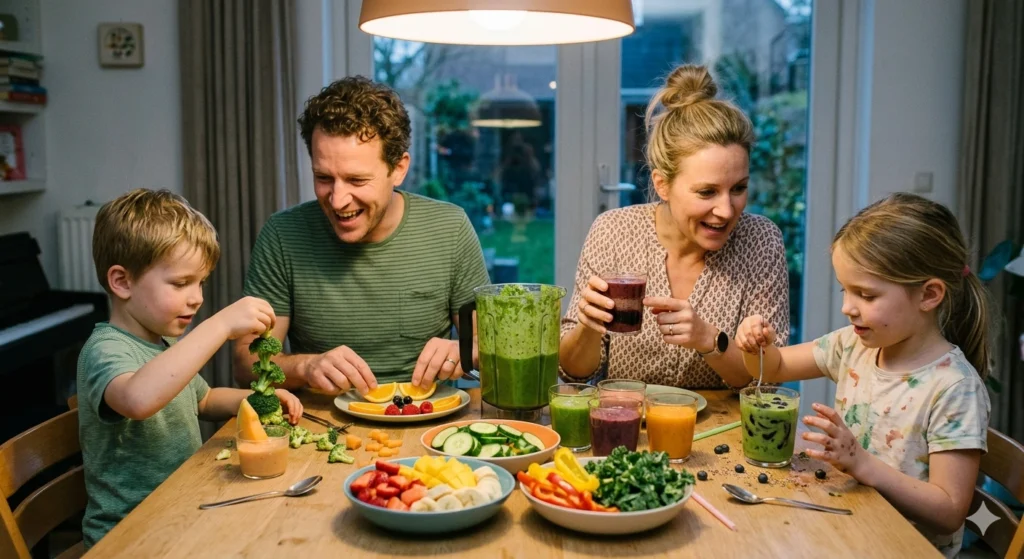
If you are raising a child or caring for a young adult with autism, you know that the dinner table is often the most stressful location in the house.
While neurotypical children might fuss over eating their broccoli, many autistic individuals suffer from extreme, rigid dietary aversions. They may restrict their entire diet to five or six “safe” foods, usually highly processed carbohydrates like chicken nuggets, french fries, plain pasta, and crackers. In the special needs community, this is affectionately (and exhaustingly) known as the “Beige Diet.”
Parents in Southwest Florida often face intense judgment from outsiders who offer unhelpful advice like, “If he gets hungry enough, he’ll eat.”
This is fundamentally untrue for individuals on the autism spectrum. An autistic child with severe food aversions will literally starve themselves rather than eat an offending food. Understanding the biology behind this refusal and utilizing clinical strategies is the only way to expand their palate safely.
It is crucial to reframe how you view the behavior. This is not stubbornness. It is often a diagnosed condition known as ARFID (Avoidant/Restrictive Food Intake Disorder).
- A Picky Eater: Dislikes the taste of tomatoes and refuses to eat them but will eat carrots and apples. They will eventually try new things if incentivized.
- ARFID / Autistic Aversion: Experiences a visceral, physical “fight or flight” response when presented with an unsafe food. The brain registers the food as a literal threat. The restriction is so severe that it leads to nutritional deficiencies, extreme weight loss, and severe anxiety around mealtime.
To an autistic brain, food is a massive, overwhelming sensory event. They are evaluating food based on criteria neurotypical people rarely notice.
- Predictability (The Brand Loyalty): Why do they only eat McDonald’s chicken nuggets and refuse Wendy’s? Because processed foods are perfectly predictable. A Ritz cracker looks, feels, and tastes exactly the same every single time. A blueberry, however, is terrifying. One blueberry might be sweet and firm; the next might be sour and mushy. The autistic brain hates unpredictability.
- Texture (Tactile Defensiveness): Mixed textures are a nightmare. A yogurt with chunks of fruit in it forces the brain to process a smooth liquid and a chewy solid simultaneously, causing sensory overload and gagging.
- Smell and Visuals: If a food smells too pungent or is a specific “wrong” color (like green), the brain rejects it before it ever reaches the mouth.
You cannot jump from a chicken nugget to a piece of grilled salmon. You must use “food chaining,” making microscopic, almost unnoticeable changes to a safe food to slowly expand their tolerance.
Example of Chaining a Chicken Nugget:
- Start Safe: They only eat Tyson brand dinosaur nuggets.
- Change Shape: Introduce Tyson brand regular round nuggets.
- Change Brand: Introduce Perdue brand round nuggets.
- Change Preparation: Introduce a homemade breaded chicken patty baked in the oven.
- Change Texture: Introduce a homemade breaded chicken strip, cut into pieces.
This process can take months. Celebrate every microscopic victory.
Eating is a complex 6-step process (Look, Interact, Smell, Touch, Taste, Swallow). If a child refuses to look at a carrot, they will never eat it. You must desensitize them without the pressure of swallowing.
- Take the Pressure Off: Set up an activity outside of mealtime.
- Interact: Have them use raw broccoli florets as “paintbrushes” to dip in ranch dressing and paint on a piece of paper.
- Touch and Smell: Have them help you wash the vegetables in the sink or snap the green beans. By interacting with the food purely for play, the brain slowly learns that the texture and smell are not dangerous threats.
The dinner table must become a stress-free zone. If mealtime is a battleground of crying and forcing bites, their anxiety will spike, shutting down their appetite completely.
- The Safe Food Guarantee: Every single time you present a meal, there must be at least one “safe food” on the plate (e.g., a pile of their preferred crackers). This immediately lowers their anxiety because they know they won’t starve.
- The “No Thank You” Bowl: Place a small, empty bowl next to their plate. Tell them, “If I put something on your plate you don’t want, you don’t have to eat it. Just move it to the ‘No Thank You’ bowl.” This gives them total control and eliminates the panic of having offending food touching their safe food.
While you are slowly working on food chaining, you still have to keep them alive and nourished today. Sneaking nutrients into safe formats is a valid survival strategy.
- The Power of Purees: If they love plain macaroni and cheese, puree steamed cauliflower and white beans into the cheese sauce until it is completely smooth and undetectable.
- Smoothies: If they tolerate liquid textures, smoothies are a goldmine. Blend flavorless protein powder, spinach, and high-calorie healthy fats (like avocado or peanut butter) into a sweet fruit smoothie. (See our Senior Smoothie guide for recipes that work equally well for neurodivergent kids).
- Consult a Professional: Always work with a pediatrician or a registered dietitian. If nutritional gaps are severe, they may prescribe specific pediatric vitamin drops or refer you to specialized feeding therapy.

Managing severe dietary aversions requires a level of patience that is almost impossible to maintain 365 days a year. Mealtime battles are a leading cause of parental burnout in the autism community.
At Shal We Home Care, we provide specialized respite care for special needs families in Lee, Collier, and Hendry counties.
- A Fresh Dynamic: Sometimes, a child who refuses to try a new food for a stressed parent will surprise everyone by trying it for a calm, neutral caregiver.
- Parental Relief: By allowing our trained caregivers to manage the complex, rigid mealtime routines a few evenings a week, parents can step away, decompress, and return to their child with the renewed patience required for food chaining.
- It’s Sensory, Not Stubborn: Recognize that ARFID and autistic food aversions are a neurological sensory response, not bad behavior.
- Food Chaining: Expand diets by making microscopic changes to the brand, shape, or texture of existing safe foods.
- Play with Food: Encourage touching, smelling, and preparing new foods away from the dinner table to remove the anxiety of eating.
- Provide an out: Always include a safe food on the plate and provide a “No Thank You” bowl to give the child control.
- Get Support: Utilize specialized respite caregivers to manage stressful mealtime routines and prevent parental burnout.
Are mealtimes causing severe anxiety in your home? You don’t have to fight the food battle alone.
Contact Shal We Home Care today to learn how our specialized special needs caregivers can provide the respite and routine support your family needs in Southwest Florida.