
Caregiver burnout in special needs parents is a state of severe physical, emotional, and mental exhaustion caused by chronic, 24/7 vigilance. Warning signs include chronic fatigue, resentment, isolation, brain fog, and neglect of personal health. Finding relief requires utilizing professional in-home respite care, establishing strict personal boundaries, joining support groups, and acknowledging that taking a break is a medical necessity, not a luxury.
The Marathon Without a Finish Line
When a neurotypical child is born, parents know they are in for roughly 18 years of intense, hands-on caregiving. There is a light at the end of the tunnel: the child will eventually learn to drive, go to college, and become independent. The caregiving role naturally diminishes.
When you are the parent of a child with severe Autism Spectrum Disorder (ASD) or profound developmental disabilities, the trajectory is entirely different. You are running a marathon that has no finish line. You may be changing diapers for a teenager, monitoring a young adult to ensure they don’t wander into traffic, and managing complex therapies indefinitely.
This chronic, unending state of hyper-vigilance takes a devastating toll on the human body and mind. It is called Caregiver Burnout, and in the special needs community, it is a silent, pervasive epidemic.

Why Special Needs Burnout is Different
Caregiver burnout is not just being “tired.” It is a physiological state of depletion.
Special needs parents live in a constant state of “fight or flight.” Your nervous system is constantly scanning the environment for threats: Are the doors locked? Is that sound too loud? Will they have a meltdown in this grocery store? When your body pumps cortisol (the stress hormone) day after day, year after year, your central nervous system eventually crashes. This differs from standard stress because it is compounded by grief (grieving the typical life you envisioned for your child) and deep isolation (friends without special needs children simply don’t understand the daily reality).
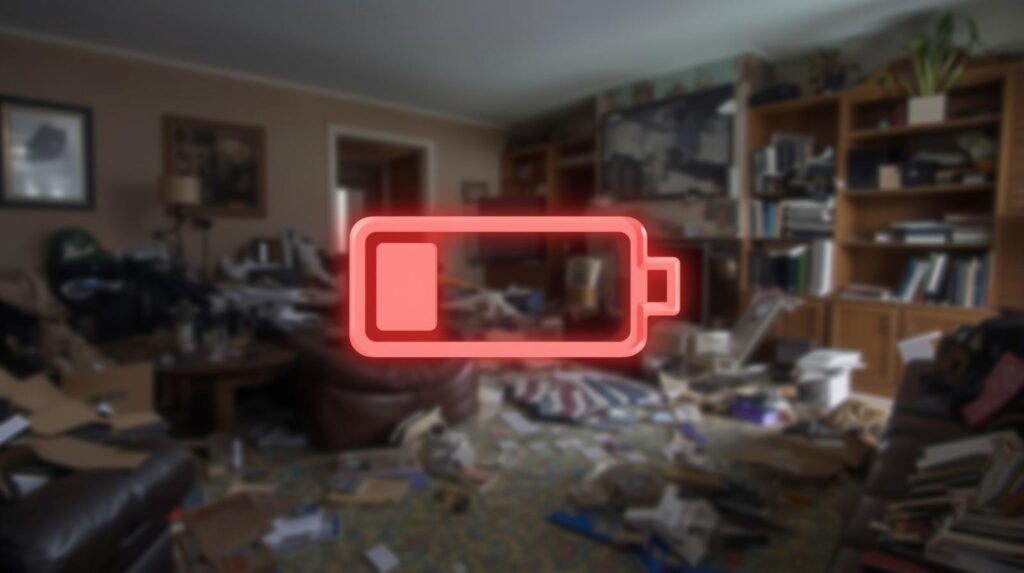
The Red Flags: Recognizing Burnout in Yourself
Burnout creeps up slowly. Because you are so focused on your child’s survival, you often ignore your own warning signs until you hit a wall.
Look out for these severe red flags:
- Chronic Physical Exhaustion: You wake up exhausted, even after sleeping. Your body physically aches.
- The “Short Fuse”: You have zero patience. You find yourself yelling or reacting with intense anger over minor spills or typical behaviors.
- Apathy and Numbness: You feel disconnected. Activities you used to enjoy hold no interest. You feel like you are just “going through the motions.”
- Health Neglect: You cancel your own doctor or dentist appointments because it is “too hard to find a sitter.” You live on caffeine and fast food.
- Resentment: You feel a deep, dark resentment toward your child, your spouse, or families with neurotypical children. (This is normal, but it is a massive warning sign of burnout).
- Brain Fog: You forget appointments, lose your keys constantly, and struggle to make simple decisions.

The Guilt Trap: Why Parents Refuse Help
The biggest barrier to curing caregiver burnout is guilt.
Parents often tell themselves:
- “I am their mother/father; it’s my job.”
- “No one else can handle their meltdowns.”
- “Taking a break means I am selfish.”
Here is the hard truth: If your car is out of gas, kicking the tires and crying won’t make it drive. You have to pull over and refill the tank. Your body is the same. If you collapse from a heart attack or a mental breakdown, who will care for your child then?
Taking a break is not selfish. It is a vital, medical necessity to ensure you can survive the marathon.
Actionable Steps to Find Relief Today
You cannot cure burnout overnight, but you can stop the bleeding.
- Lower Your Standards: The house does not have to be perfectly clean. Dinner can be frozen pizza. Drop any task that is not essential to survival to conserve energy.
- Find Your Tribe: Join a local special needs support group in Lee or Collier county, or find an online community. Being able to say, “I am so overwhelmed,” to a group of parents who nod and say, “Me too,” is incredibly healing.
- Practice Micro-Self-Care: You may not have time for a spa weekend, but you have 5 minutes. Drink your coffee on the porch in silence. Take a 10-minute hot shower. Breathe deeply.
- Outsource the Care: You must hand the baton to someone else, even if just for a few hours a week.

How In-Home Respite Care Saves Families
This is where Shal We Home Care steps in. We provide professional, in-home respite care designed specifically for special needs families in Southwest Florida.
- You Don’t Have to Leave: Sometimes, respite just means you go into your bedroom, lock the door, and sleep for 4 hours while our trained caregiver plays with your child in the living room.
- Safe and Capable: Our caregivers are trained to handle sensory needs, elopement risks, and routines, giving you the true peace of mind needed to actually relax.
- Preserving the Family: By utilizing respite care, you get the rest needed to stop being an exhausted “case manager” and go back to being a loving, patient parent.
Key Takeaways
- It’s a Marathon: Special needs parenting is a lifelong commitment; pacing yourself is essential for survival.
- Recognize the Signs: Apathy, chronic fatigue, a short fuse, and resentment are medical red flags of burnout.
- Banish Guilt: Resting is not selfish; it is required maintenance for your body and mind.
- Micro-Moments: Prioritize tiny moments of self-care and lower household expectations to conserve energy.
- Accept Respite: Utilize professional agencies like Shal We Home Care to provide safe, reliable breaks so you can recharge.
Are you running on empty?
Please do not wait until you break. Reach out for help today. Contact Shal We Home Care to discuss a respite care schedule that will bring rest and balance back to your life.