
Loud noises and harsh lights cause severe anxiety in seniors with dementia. Discover how to create a calm, sensory-friendly home environment in Southwest Florida.
To create a sensory-friendly environment for seniors, especially those with dementia, you must reduce sensory overload. Caregivers should eliminate harsh fluorescent lighting, use soft LED lamps to prevent confusing shadows, reduce background noise (like turning off the 24/7 news cycle), introduce calming aromatherapy (like lavender), and provide soft, tactile fabrics. This soothing environment drastically reduces anxiety, pacing, and behavioral outbursts.
When we are young and healthy, our brains are master filters. If we sit in a busy restaurant, our brain automatically tunes out the clatter of dishes, the hum of the air conditioner, and the conversations at the next table, allowing us to focus on the person sitting across from us.
As we age, and particularly if a senior develops Alzheimer’s or dementia, this filtering mechanism breaks down. The brain loses the ability to separate “background noise” from “important information.”

The result? Sensory Overload.
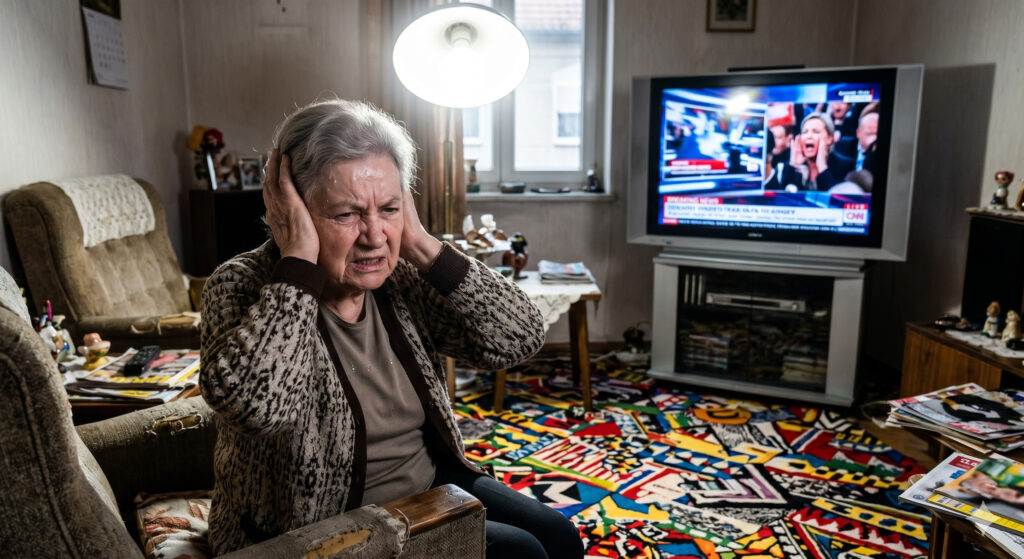
When a senior’s brain is bombarded by a blaring television, a glaring overhead light, and a patterned rug simultaneously, they experience physical and emotional distress. This overload is the root cause of many dementia-related behaviors, including agitation, pacing, covering ears, and angry outbursts.
By intentionally transforming your Southwest Florida home into a “sensory-friendly” sanctuary, you can drastically reduce anxiety and create a peaceful environment for your loved one.
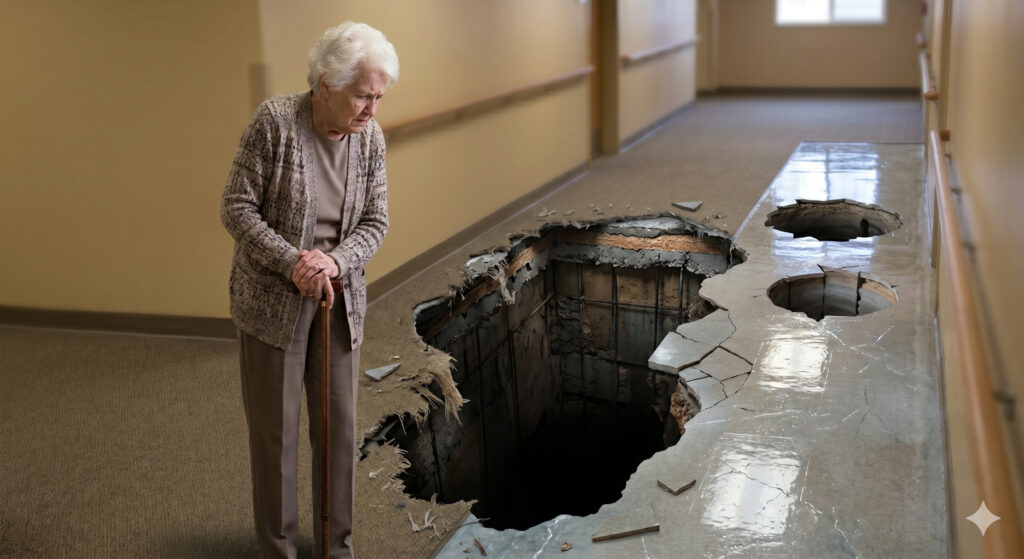
To a brain with dementia, shadows can look like gaping holes, and shiny floors can look like wet, slippery ice. Visual modifications are crucial.
- Ditch the Fluorescents: Harsh, cool-toned overhead lighting feels clinical and casts harsh shadows. Swap bulbs for warm-white LEDs. Rely heavily on table and floor lamps rather than overhead lights to create a softer, more inviting glow.
- Eliminate Glare: Florida sunshine is beautiful, but glaring sunlight reflecting off a tile floor or a glass table can be blinding and disorienting. Use sheer curtains or blinds to diffuse direct sunlight during the peak afternoon hours.
- Use High Contrast for Safety: While the overall environment should be calm, important items should “pop.” For example, a white toilet against a white wall is invisible to a senior with depth perception issues. Use a brightly colored toilet seat. Serve meals on plates that contrast heavily with the table (e.g., mashed potatoes on a red plate, not a white one).
- Remove Busy Patterns: Floral wallpapers, highly patterned area rugs, or geometric bedspreads can look like moving bugs or optical illusions to a damaged brain. Stick to solid, soothing colors.
A quiet house is a calm house.
- Kill the 24/7 News Cycle: Many seniors leave the television on all day on a news channel. The constant, high-energy reporting, dramatic music, and negative stories subconsciously elevate their heart rate and anxiety. Turn the TV off when no one is actively watching it.
- Soften the Echoes: Hard surfaces (like Florida tile and high ceilings) bounce sound around harshly. Introduce thick, solid-colored rugs, heavy curtains, and plush pillows to absorb ambient noise.
- Therapeutic Soundscapes: If the house is too quiet, introduce gentle, familiar sounds. Playing soft classical music, big band hits from their youth, or a continuous track of gentle ocean waves can instantly soothe the nervous system.
As cognitive and verbal skills fade, the sense of touch becomes a primary way seniors interpret the world around them.
- Ditch the Scratchy Fabrics: Skin thins as we age, becoming incredibly sensitive to rough textures. Ensure their clothing, sheets, and towels are made of ultra-soft, breathable materials like high-thread-count cotton or bamboo. Remove tags from the back of their shirts.
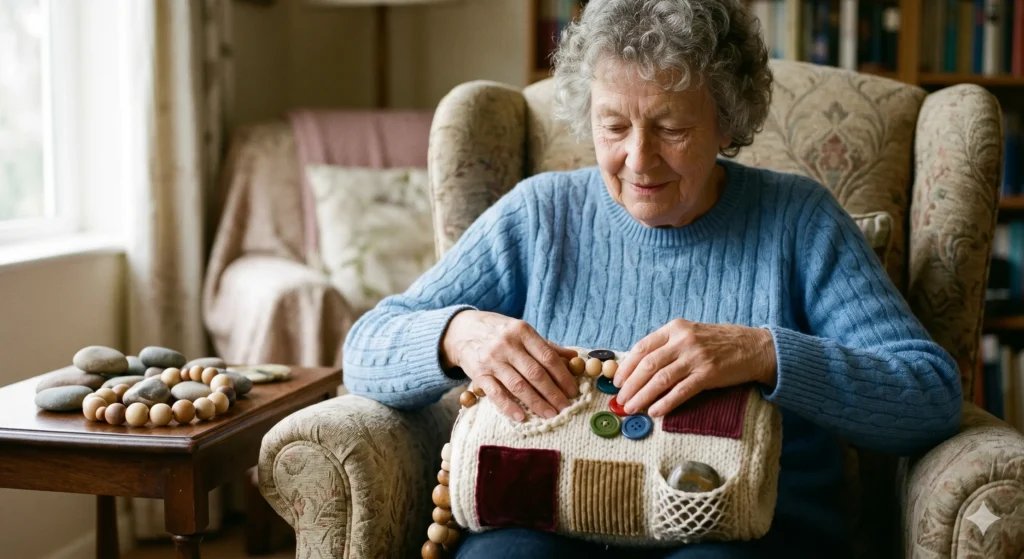
- Fidget Therapy: Restless hands are a common symptom of dementia. Provide “muff boxes,” fidget aprons, or simple items like a string of large wooden beads, a piece of soft velvet, or a smooth river rock. Giving their hands a tactile job reduces anxiety and wandering.
- Weighted Blankets: For seniors who suffer from severe evening anxiety, a lightweight weighted blanket (never more than 10% of their body weight) provides deep-pressure therapy that signals the nervous system to relax.
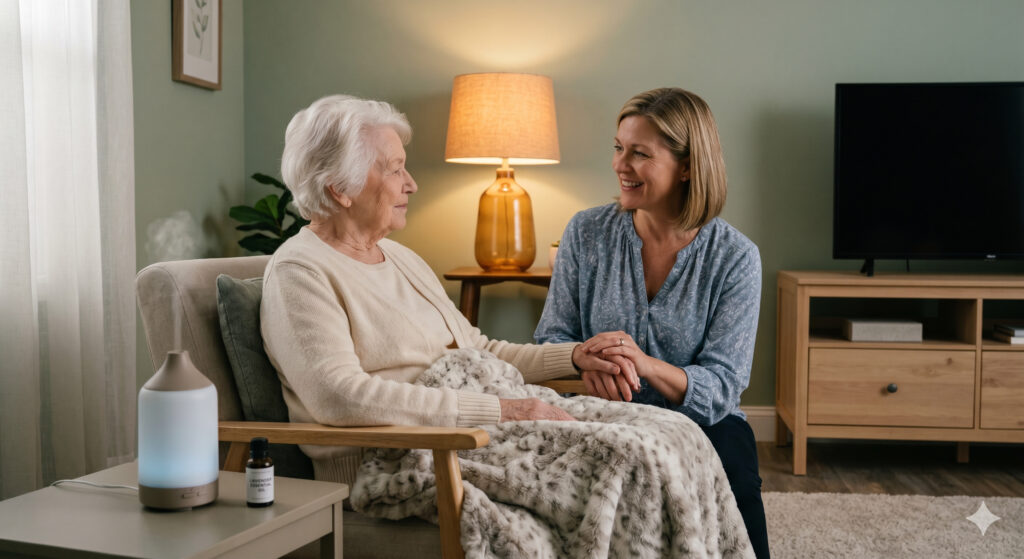
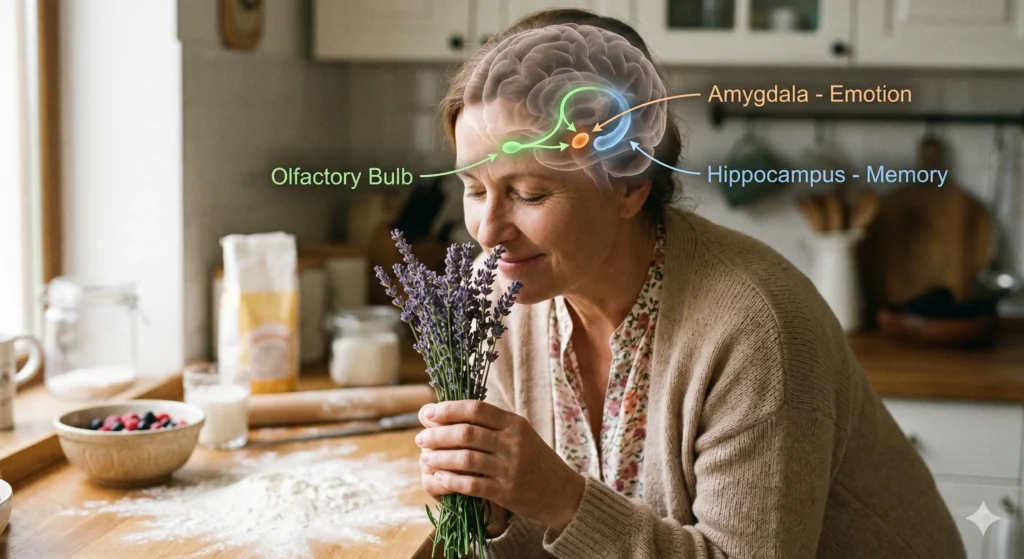
The olfactory bulb (the smell center of the brain) is directly connected to the amygdala and hippocampus, the regions responsible for emotion and memory. This makes smell an incredibly powerful tool for mood regulation.
- To Calm: Diffuse lavender or chamomile essential oils in the bedroom about 30 minutes before sleep to ease the transition to nighttime.
- To Stimulate: If a senior is lethargic or lacks an appetite, the smell of baking bread, cinnamon, or citrus can gently stimulate the senses and trigger hunger.
- Note: Always use natural essential oils sparingly in a diffuser, never synthetic plug-in air fresheners, which can irritate aging lungs.
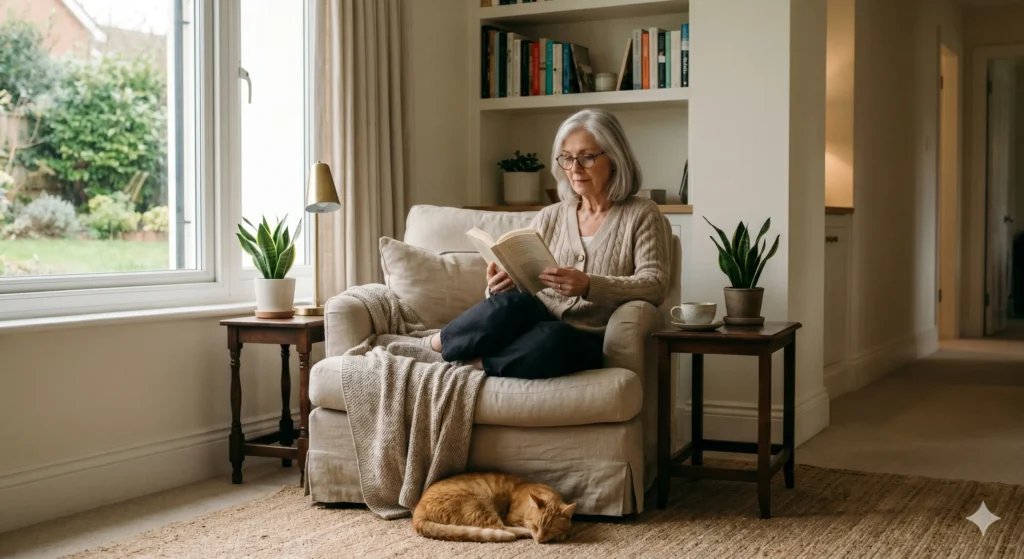
Ultimately, a sensory-friendly home is a simple home. Removing clutter isn’t just about preventing physical falls; it is about preventing “mental falls.” A clean countertop, a quiet room, and a soft chair allow the senior’s brain to rest, ensuring their energy is spent on joyful interactions with you, rather than fighting their environment.
Creating this environment is one thing; maintaining it day after day is another.
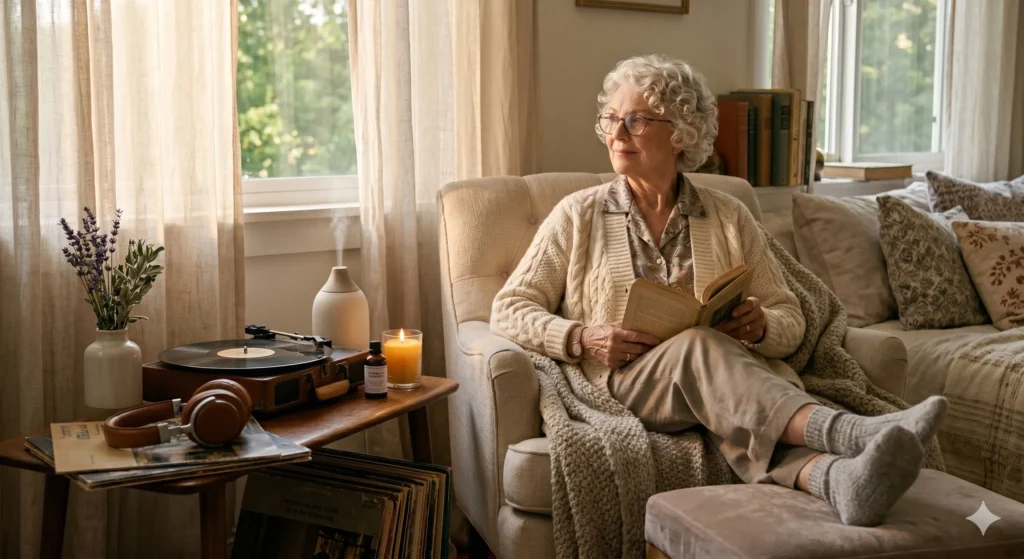
At Shal We Home Care, our caregivers in Lee, Collier, and Hendry counties are trained to respect and maintain the sensory sanctuary of the home.
- We know not to burst into the room and flip on the harsh overhead lights.
- We provide light housekeeping to keep visual clutter to an absolute minimum.
- We manage the TV and music, curating the auditory environment to match the senior’s mood, ensuring the home remains a place of deep comfort and peace.
- Overload is Real: Seniors with dementia cannot filter out background noise or visual clutter, leading to severe anxiety.
- Soften the Lights: Use warm lamps instead of overheads, and use curtains to eliminate harsh glare on tile floors.
- Turn Off the TV: Constant background television (especially the news) is a massive trigger for agitation.
- Use High Contrast: While patterns are bad, high contrast (like a dark plate on a light table) helps them see food and objects clearly.
- Engage the Senses Softly: Use soft fabrics, familiar music, and gentle aromatherapy to naturally calm the nervous system.
Is your home environment causing your loved one stress? You can change the atmosphere today. Contact Shal We Home Care to learn how our specialized dementia caregivers can help transform your loved one’s daily routine into a calm, sensory-friendly experience.