
Seniors often refuse to use a walker or cane because it symbolizes a loss of independence, makes them feel “old,” or damages their pride. To encourage use, avoid nagging. Instead, reframe the device as a tool for freedom (allowing them to go out safely), align it with their personal goals (like attending a grandchild’s wedding), ensure it is properly fitted by a physical therapist, and consider upgrading to a modern, stylish design.
The Battle Over the Walker
It is a conversation happening in living rooms all across Southwest Florida:
“Dad, please take your cane. You’re going to fall.”
“I don’t need it. I’m fine!” (He says, while tightly gripping the back of the sofa to steady himself).
Watching an aging parent “furniture surf” around the house or stumble on uneven pavement is terrifying for adult children. The solution a cane, a walker, or a rollator is sitting right there in the corner, gathering dust.
Nagging doesn’t work. Pleading usually ends in an argument. To successfully encourage a reluctant senior to use a mobility aid, you have to stop focusing on the physical risk and start addressing the emotional block.
Understanding the Psychology of Resistance
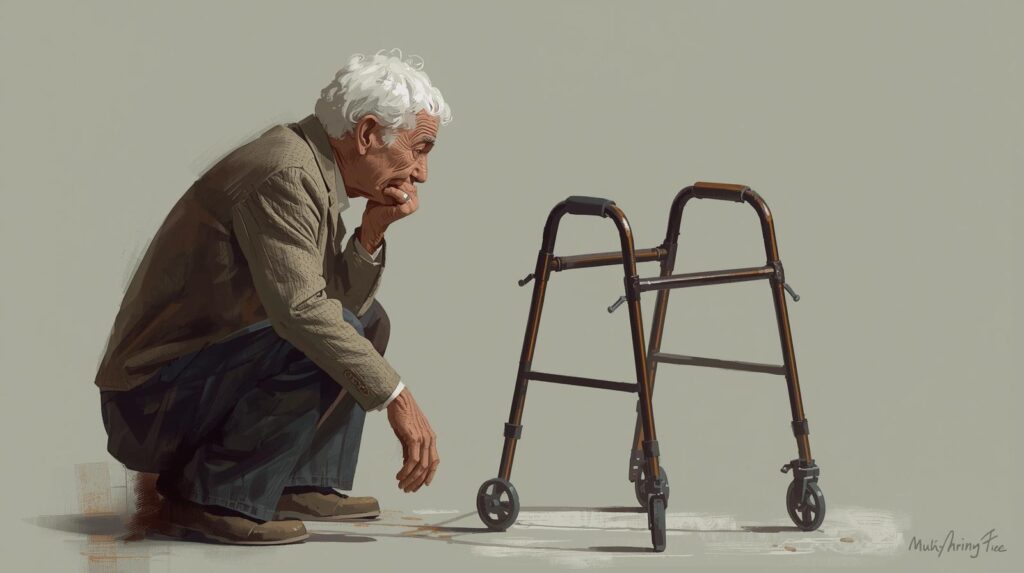
Why would someone risk a broken hip rather than use a piece of aluminum? It all comes down to identity and pride.
- The Stigma of Aging: To many seniors, a walker is the ultimate, visible symbol of decline. It is an outward admission to the world that they are old and frail.
- Loss of Identity: If your father was always the strong protector, or your mother was fiercely independent, needing a physical prop challenges their core identity.
- The Illusion of Capability: Cognitive decline or a gradual loss of balance often means the senior genuinely doesn’t realize how unsteady they are. Their brain is telling them they walk the same way they did 10 years ago.
You are asking them to use a safety tool; they hear you telling them they are helpless.
Reframe the Narrative (Freedom, Not Frailty)
You must change how the device is positioned in their mind.
- Do Not Say: “You need to use this because you are unsteady and you might fall.” (This focuses on their deficit).
- Say This: “Using this rollator will give you the stamina to walk around the farmer’s market all morning without your knees hurting.” (This focuses on the benefit and freedom).
Reframe the walker as an “energy saver” or an “extender” that allows them to do more, not a cage that restricts them.

Align with Their Personal Goals
Connect the use of the mobility aid to something they deeply care about. Find their motivation.
- “Mom, I know you hate the cane, but Sarah’s wedding is in three months. If we use the cane now to keep your hip strong, you’ll be able to walk down the aisle safely.”
- “Dad, the guys at the club miss you. If you use the walker, we can confidently get you back to the card game on Tuesdays.”

The “Doctor’s Orders” Approach
Sometimes, seniors will ignore their children but will instantly obey an authority figure.
If you are arguing, step out of the ring. Privately call their primary care doctor or physical therapist before the next appointment. Ask them to explicitly “prescribe” the use of the walker.
When your parent refuses to use it, you can simply shrug and say, “Hey, I don’t like it either, but Dr. Smith said you have to use it to keep your knee healing. We have to follow his orders.” This shifts the “blame” off you and onto the medical professional.

Ditch the “Hospital” Look (Upgrade the Gear)
Standard-issue gray aluminum walkers with tennis balls on the feet look incredibly clinical and depressing.
Treat a mobility aid like an accessory or a piece of sports equipment.
- Buy a sleek, European-style rollator in their favorite color (like bright red or metallic blue).
- Look for canes with stylish wood finishes, interesting patterns, or ergonomic grips.
- If the equipment looks high-end and modern, the stigma is significantly reduced.
Ensure Proper Fit and Training
Sometimes seniors refuse to use a walker because it is actually painful to use. If the walker is too high, it strains their shoulders. If it is too low, it hurts their lower back.
Never guess the height. Have a Physical Therapist properly fit the device to your parent’s specific height and posture. Furthermore, the PT needs to teach them how to use it. Many seniors push the walker too far ahead of them, which actually increases their fall risk and makes them feel unsafe using it.

How Home Care Provides Gentle Enforcement
Family dynamics are complicated. A senior will often stubbornly refuse a cane from their daughter, but will cheerfully accept it from a professional caregiver.
At Shal We Home Care, our caregivers in Lee, Collier, and Hendry counties act as a neutral third party.
- We provide the gentle, objective reminders that family members are too exhausted to give.
- We utilize “Standby Assistance,” ensuring they use the device safely during walks or transfers.
- We normalize the use of the equipment, making it just another standard part of the daily routine rather than a point of conflict.
Key Takeaways
- Address the Pride: Understand that refusing a walker is usually about fear of looking old, not stubbornness.
- Reframe as Freedom: Sell the device as a tool that allows them to go out and do things, saving their energy.
- Use the Doctor: Let the physician be the “bad guy” who mandates its use.
- Make it Stylish: Buy a modern, brightly colored rollator that doesn’t look like hospital equipment.
- Get Professional Help: Use a Physical Therapist for fitting, and a home caregiver for daily, neutral encouragement.
Tired of arguing about the walker?
Let us take the stress out of the daily routine. Contact Shal We Home Care today. Our compassionate caregivers can help encourage safe mobility and peace of mind for your family.