
Hiring a private caregiver in Florida? Learn the critical interview questions to ask, the red flags to watch for, and the legal risks of direct “under the table” hiring.
When interviewing a private caregiver, look for “green flags” like proactive questions about medical needs, verifiable references, and clear communication. Watch out for “red flags” such as refusing background checks, demanding cash payments, or speaking over the senior. To avoid the massive legal and tax liabilities of hiring privately, families should use a licensed home care agency that manages payroll, insurance, and vetted backups.
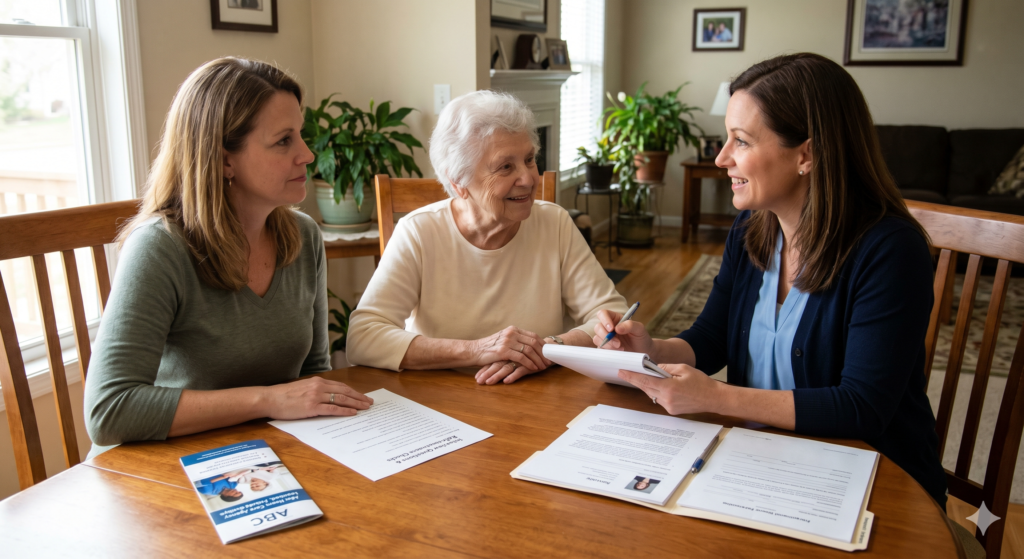
When a family in Southwest Florida realizes they need help for an aging parent, the first instinct is often to look for the cheapest option. They might ask a neighbor for a recommendation, post a job ad on a local Facebook group, or browse Care.com for an independent, private caregiver.
On the surface, this seems logical. Bypassing an agency means you can negotiate a lower hourly rate directly with the individual.
However, hiring a private caregiver means you are no longer just a family member looking for help; you are now an employer. You are taking on the role of HR director, payroll manager, liability insurer, and background investigator. If you are going to take on this immense responsibility, your interview process must be ruthless. Inviting a stranger into the home of a vulnerable adult requires more than just a “good feeling” over a cup of coffee.
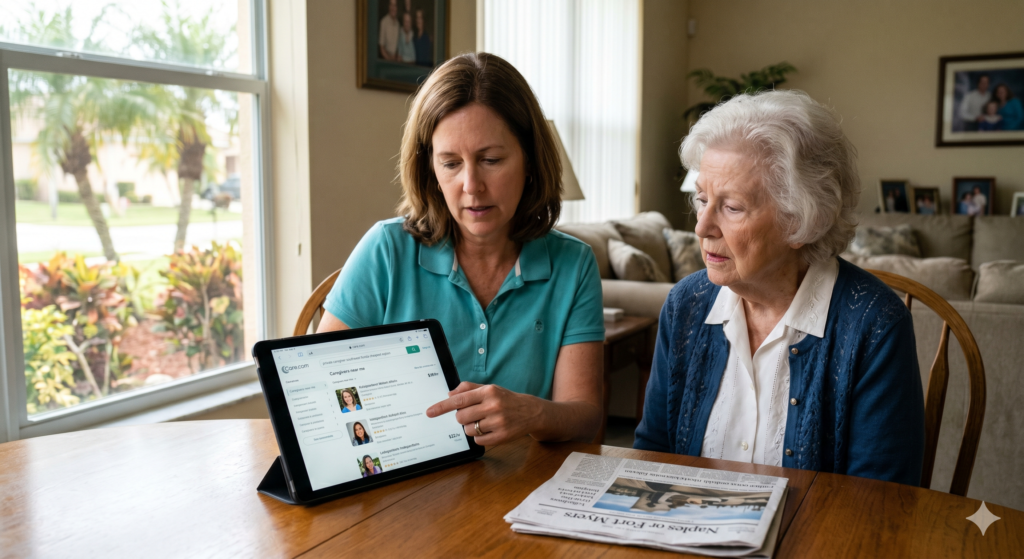
Here is a master guide on how to interview a private caregiver, what to look for, and the hidden risks you must consider.
Before you ever sit down with a candidate, you need a precise job description. If you don’t know exactly what you need, you won’t know what to ask.
Write down your “Must-Haves” versus “Nice-to-Haves”:
- Physical Needs: Will they need to lift your parent from a bed to a wheelchair? (This requires significant physical strength and specific transfer training).
- Cognitive Needs: Does your parent have dementia? (This requires extreme patience and de-escalation skills).
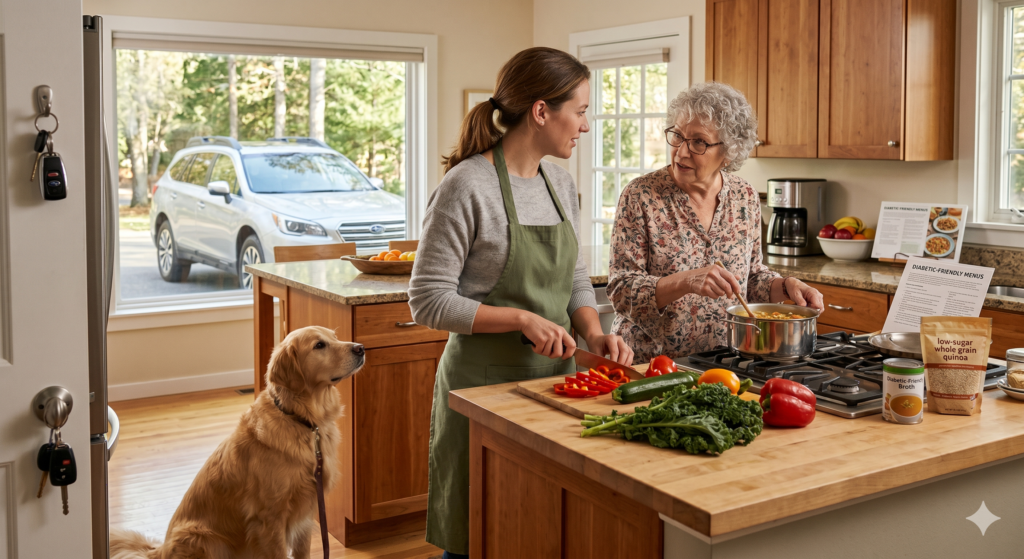
- Logistical Needs: Will they need to drive? Do they need to cook diabetic-friendly meals? Are they okay with large dogs in the house?
Move past standard resume questions and ask situational, behavioral questions to see how they think on their feet.
1. “Tell me about a time a client refused to do what you asked (like taking a shower or taking pills). How did you handle it?”
- What you are looking for: You want to hear strategies of distraction, validation, and patience. If they say they “told them they had to do it,” they lack the nuance required for memory care.
2. “What would you do if my mother fell in the living room while you were making lunch?”
- What you are looking for: A clear, safety-first protocol. They should say they would assess for injury, NOT immediately try to drag them up (which can worsen fractures), call 911 if necessary, and immediately call you.
3. “Are you comfortable with [Insert your specific worst-case scenario]?”
- Example: “Are you comfortable cleaning up after a major bowel incontinence accident?” Be brutally honest about the reality of the job. You do not want them quitting on day two because they were surprised by the tasks.
4. “Can you provide three professional references, and will you submit to a Level 2 FBI background check?”
- What you are looking for: An immediate, unhesitating “Yes.”
5. “What is your backup plan if your car breaks down or you get the flu?”
- What you are looking for: This is the Achilles heel of private caregivers. Listen closely to their answer. If they don’t have a reliable network, you are their backup plan, meaning you will be calling out of work when they get sick.

During the interview (which should ideally take place with the senior present), keep your radar up for these warning signs:
- Speaking Over the Senior: If the caregiver talks to you as if your parent isn’t in the room, or treats your parent like a toddler, cross them off the list. Dignity is paramount.
- “Cash Only” Requests: If they ask to be paid “under the table” in cash, they are asking you to commit tax fraud.
- Oversharing Personal Drama: A caregiver should be a source of peace. If they spend the interview complaining about past clients or dumping their personal financial/relationship drama on you, they will bring that chaotic energy into your parent’s home.
- Hesitation on Background Checks: Any hesitation or excuse (“I lost my ID,” “The system has an old charge that wasn’t my fault”) is an immediate disqualifier.

Conversely, here are the signs that you have a true professional in front of you:
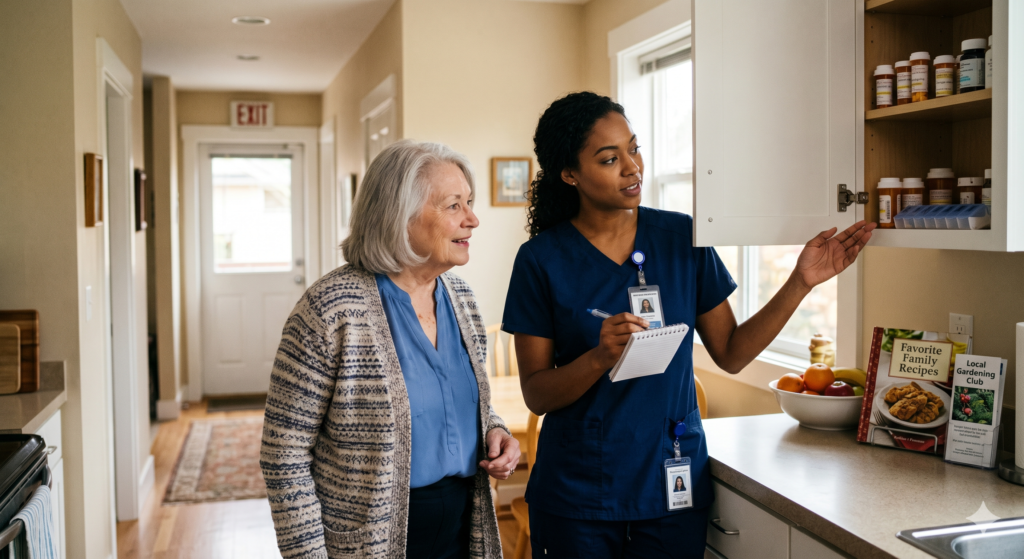
- They Ask YOU Questions: A great caregiver will ask to see where the medications are kept, ask about emergency exits, and inquire about your parent’s favorite foods and hobbies.
- They Engage the Senior Directly: They pull up a chair, make eye contact with your parent, and ask them how they prefer their coffee or what their favorite TV show is.
- Professional Boundaries: They understand HIPAA (patient privacy) and assure you they do not post about clients on social media.
Even if you find the perfect private caregiver, you must face the legal reality of hiring them.
According to the IRS, a caregiver working in your home is almost always your household employee (a W-2 employee), NOT an independent contractor (1099).
- Taxes: You are legally responsible for withholding their Social Security and Medicare taxes, and paying your portion of unemployment taxes. Failure to do so can result in massive IRS audits and penalties.
- Workers’ Compensation: If a private caregiver slips on your wet bathroom floor and breaks their back, your homeowner’s insurance will likely deny the claim because it excludes household employees. You could be personally sued for hundreds of thousands of dollars in medical bills and lost wages.

When families do the math on taxes, background checks, and the legal risk of lawsuits, the “cheap” private caregiver suddenly becomes a massive financial hazard.
This is why families in Lee, Collier, and Hendry counties choose Shal We Home Care. We remove the burden of being an employer.
- We take the liability: Our caregivers are fully bonded, insured, and covered by our workers’ compensation policy.
- We do the vetting: Every caregiver passes rigorous, Level 2 FBI background screening, drug testing, and reference checks.
- We handle the taxes: We manage all payroll and IRS compliance.
- We provide the backup: If your favorite caregiver gets a flat tire, we seamlessly dispatch a qualified, vetted replacement. Your parent is never left alone.
- Be Brutally Honest: Define the hardest parts of the job upfront to weed out candidates who can’t handle the reality of senior care.
- Watch Their Interactions: A good caregiver speaks with the senior, not about the senior.
- Demand Background Checks: Never let a stranger into your home without an FBI-level screening.
- Understand the IRS Rules: Paying a caregiver “under the table” is illegal and exposes you to severe tax penalties.
- Avoid Liability: Hiring an agency like Shalwe Home Care protects your assets from workers’ compensation lawsuits and guarantees reliable backup care.
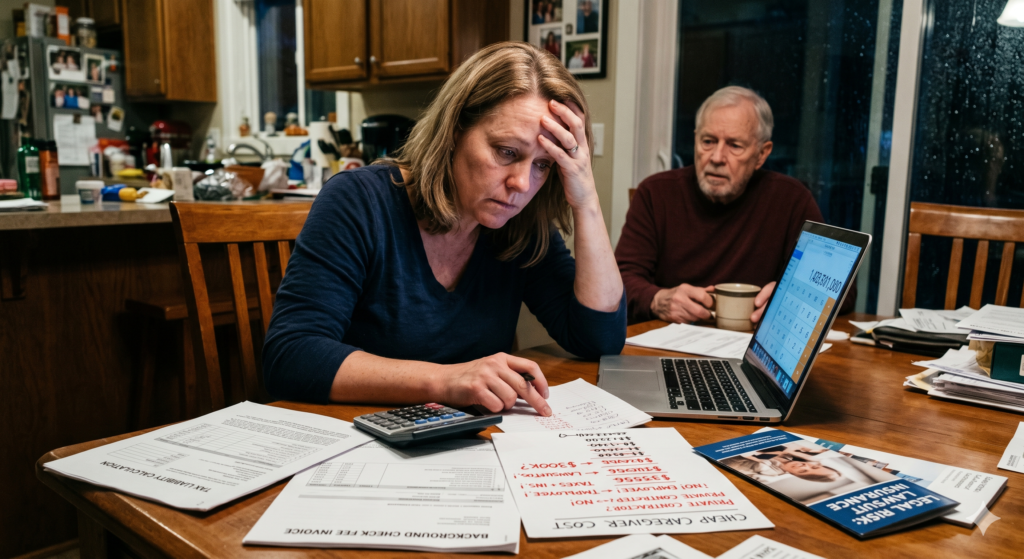
Is the stress of hiring and managing a caregiver too much?
You don’t have to be an HR manager to get great care for your parents. Contact Shal We Home Care today. Let us provide you with a team of fully vetted, insured, and deeply compassionate professionals.