
Post-stroke home care involves specialized, non-medical support to help survivors regain independence and manage daily life. Caregivers assist with activities of daily living (ADLs) like bathing and dressing, provide standby assistance to prevent falls due to one-sided weakness, manage complex medication schedules, and encourage adherence to physical and speech therapy exercises prescribed by medical professionals.
The Critical Transition from Hospital to Home
Surviving a stroke is a monumental victory. However, when the hospital discharge papers are signed, families often face a sudden wave of panic.
In the hospital or rehab center, a team of nurses and therapists managed every aspect of the patient’s day. At home in Southwest Florida, the reality of living with new physical, cognitive, and emotional limitations sets in. A stroke can affect everything from the ability to walk and talk to the ability to swallow or remember a loved one’s name.
The first 90 days post-discharge are considered the most critical period for recovery and the highest risk period for hospital readmission due to falls or medication errors. This is why Post-Stroke Home Care is often the deciding factor in a successful, long-term recovery.
Managing One-Sided Weakness (Hemiparesis)
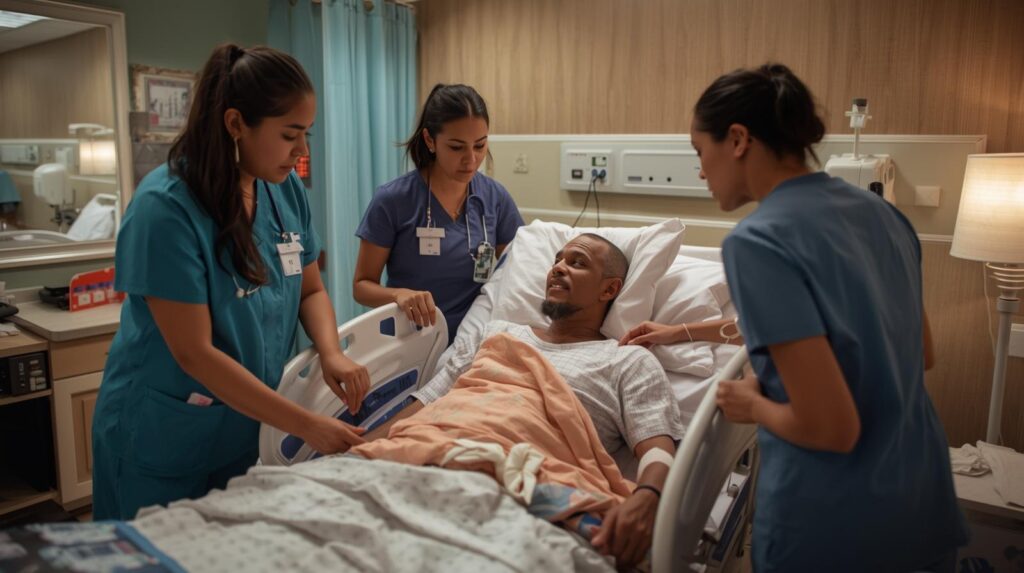
Approximately 80% of stroke survivors experience weakness or paralysis on one side of their body (hemiparesis or hemiplegia). This makes standard daily tasks incredibly dangerous.
- Fall Prevention: The affected leg may drag or buckle unexpectedly. Caregivers provide “standby assist” or “contact guard assist,” walking closely beside the survivor, particularly when navigating the transition from tile to carpet or maneuvering through a bathroom.
- Dressing and Hygiene: How do you put on a shirt with only one working arm? Caregivers are trained in adaptive dressing techniques (always dress the weaker side first) and provide dignified assistance with showering and toileting, areas where the risk of slipping is highest.

The Hidden Challenge: Stroke Fatigue
Family members are often surprised by how much a stroke survivor sleeps. Post-stroke fatigue is not just being “tired”; it is a profound, neurological exhaustion as the brain works overtime to rewire itself (neuroplasticity).
- Pacing the Day: Caregivers play a crucial role in energy management. They ensure that physically demanding tasks (like showering or physical therapy) are scheduled during the survivor’s peak energy windows, usually mid-morning.
- Providing Rest: By taking over the household chores cooking, laundry, and light cleaning the caregiver allows the survivor to dedicate 100% of their limited energy to healing, rather than exhausting themselves trying to make a sandwich.
Aphasia and Communication Support
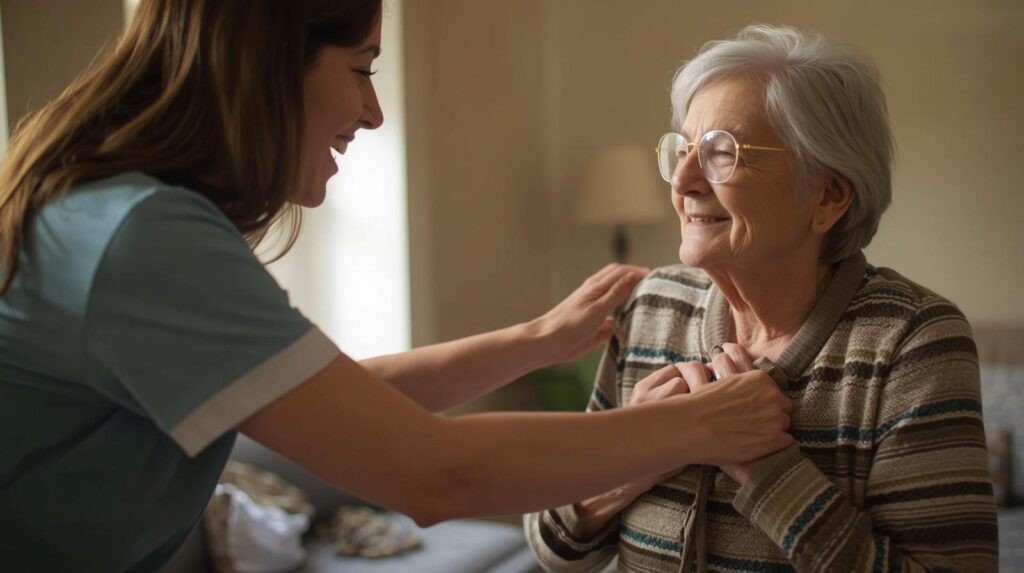
A stroke can damage the language centers of the brain, leading to aphasia. The survivor might know exactly what they want to say, but the words come out jumbled, or they may struggle to understand what is being said to them. This is immensely frustrating and can lead to severe depression.
- Patient Communication: Caregivers are trained to communicate effectively with stroke survivors. They speak slowly, use short sentences, and rely heavily on visual cues, pointing, or communication boards.
- Reducing Frustration: Because professional caregivers do not carry the emotional history of the family, they can provide the objective, calm patience required to let the survivor formulate their thoughts without rushing them.

The Role of Caregivers in Physical Therapy
A visiting Physical Therapist or Occupational Therapist might come to the home 2-3 times a week for 45 minutes. But neuroplasticity the brain’s ability to heal requires constant, daily repetition.
- The Daily “Coach”: While non-medical caregivers do not prescribe therapy, they act as the daily coach. They remind the survivor to do their prescribed exercises, set up the necessary equipment, and provide encouragement and physical spotting to ensure the exercises are done safely on the days the therapist isn’t there.

Preventing a Second Stroke (Medication and Diet)
According to the CDC, 1 in 4 stroke survivors will have another stroke within five years. Prevention is heavily reliant on lifestyle management.
- Medication Adherence: Post-stroke regimens usually involve multiple new medications (blood thinners, statins, blood pressure meds). Caregivers provide strict medication reminders to ensure no doses are missed or doubled.
- Heart-Healthy Diet: Caregivers manage grocery shopping and meal preparation, ensuring the survivor is eating a low-sodium, low-cholesterol diet rich in fresh fruits and vegetables crucial for managing blood pressure and preventing further vascular damage.

How Shal we Home Care Supports Stroke Survivors
Recovering from a stroke is a marathon, and family caregivers often burn out trying to provide the intensive physical and emotional support required.
At Shal We Home Care, serving Lee, Collier, and Hendry counties, we provide specialized post-stroke support. Whether you need a caregiver for 4 hours a day to help with the morning routine and exercises, or 24/7 support for maximum safety, we create a care plan that adapts as your loved one’s abilities (hopefully) improve over time.

Key Takeaways
- Safety First: One-sided weakness makes falls a primary threat; caregivers provide the physical spotting needed to navigate the home safely.
- Manage Fatigue: Healing takes massive energy. Caregivers handle the chores so survivors can rest.
- Patience with Aphasia: Specialized caregivers know how to communicate without causing frustration.
- Daily Therapy Support: Caregivers encourage the daily repetition of exercises prescribed by physical therapists.
- Prevent Readmission: Strict medication reminders and a heart-healthy diet are vital for preventing a second stroke.
Are you bringing a loved one home after a stroke?
Ensure they have the support they need to recover safely. Contact Shal We Home Care today to discuss a customized post-stroke care plan in Southwest Florida.