
Tech for Seniors: The Best Tablets and Smart Devices for Safe Aging in Place
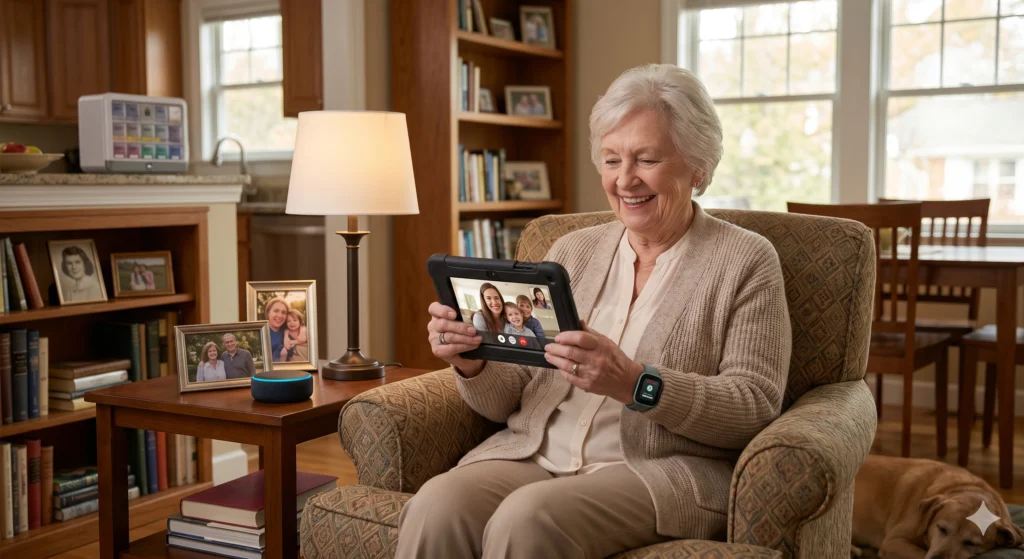
Worried about an aging parent living alone? Discover the best easy-to-use senior technology, from simplified tablets to smart home devices, for safe aging in Florida. The best technology for seniors aging in place focuses on simplification and safety. Top recommendations include senior-specific tablets (like the GrandPad) for easy video calling, smart home voice assistants (like […]
Balancing the Household: How In-Home Care Supports the Siblings of Special Needs Children

Siblings of special needs children, often called “glass children,” frequently experience unspoken pressure, anxiety, and a lack of parental attention. In-home care supports the entire household by taking over specialized caregiving duties, freeing up parents to spend dedicated, uninterrupted one-on-one time with their neurotypical children, ultimately reducing sibling resentment and strengthening family bonds. The Invisible […]
The Power of Routine: How Structured Home Care Benefits Individuals with Autism
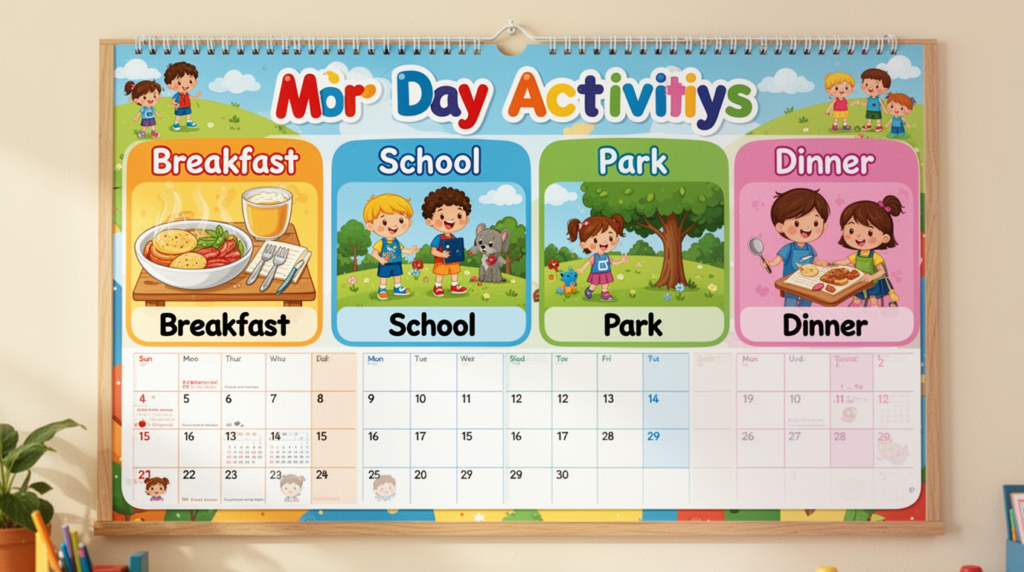
Structured routines provide vital predictability, significantly reducing the severe anxiety often experienced by individuals with autism. A consistent daily schedule helps neurodivergent individuals process transitions, understand expectations, and build independence. In-home caregivers reinforce these routines using visual schedules, clear boundaries, and consistent prompting, ensuring a calm, structured home environment even when parents are unavailable. Why […]