
Worried about an aging parent living alone? Discover the best easy-to-use senior technology, from simplified tablets to smart home devices, for safe aging in Florida.
The best technology for seniors aging in place focuses on simplification and safety. Top recommendations include senior-specific tablets (like the GrandPad) for easy video calling, smart home voice assistants (like Amazon Echo) to control lighting and thermostats without fall risks, automated locked pill dispensers to prevent medication errors, and GPS-enabled medical alert smartwatches with automatic fall detection. These devices bridge the geographic gap for family caregivers while preserving the senior’s independence.
We live in a golden age of technology. We can control our thermostats from our phones, video chat with people across the globe, and have groceries delivered with the tap of a button. But for many seniors in Southwest Florida, this technology feels like a foreign language.
When adult children try to introduce a standard iPad or a complex smart-home system to an 85-year-old parent, the result is usually intense frustration. The buttons are too small, the passwords are forgotten, and the Wi-Fi constantly disconnects. Eventually, the expensive device ends up shoved in a drawer.
However, the technology industry has finally recognized the senior market. Today, there is a booming sector of “age-tech” devices built specifically with aging eyes, arthritic hands, and cognitive decline in mind. When implemented correctly, these tools are game-changers for aging in place, allowing adult children to monitor safety remotely without stripping their parents of their independence.
Here is a curated guide to the best senior-friendly technology available today.
Social isolation is a massive health risk for seniors. While smartphones are often too small and complex, a properly configured tablet can be a lifeline to family members.
- The GrandPad: This is widely considered the gold standard for senior tablets. It operates on its own secure, built-in 4G LTE network, meaning the senior doesn’t need to know how to connect to Wi-Fi. There are no confusing menus or small icons. The interface features giant, color-coded buttons for “Call,” “Photos,” “Email,” and “Games.” Crucially, it operates on a closed network; only pre-approved family members can call or email the device, completely eliminating the risk of telemarketers and scammers.
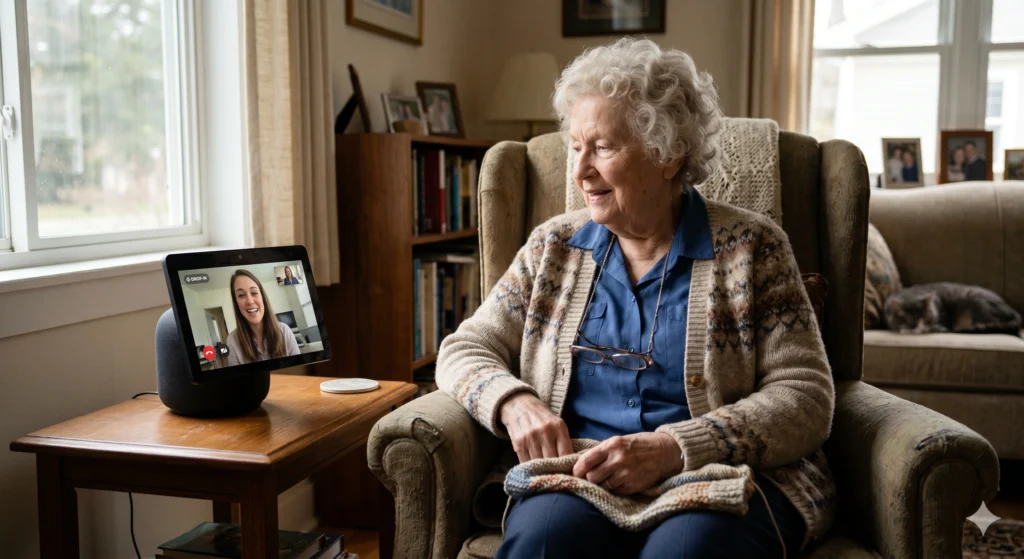
- Amazon Echo Show: While not a traditional tablet, this smart display is incredible for long-distance caregivers. Using the “Drop-In” feature, an adult child can initiate a video call that automatically connects on the senior’s end without the senior having to press a single button or get out of their chair.
- Apple iPad (With Accessibility Features Enabled): If your parent is somewhat tech-savvy, an iPad can work beautifully if you configure it first. Go into the accessibility settings: enlarge the text, turn on “Display Zoom,” delete all unnecessary apps from the home screen, and set up Siri so they can use voice commands to make FaceTime calls.
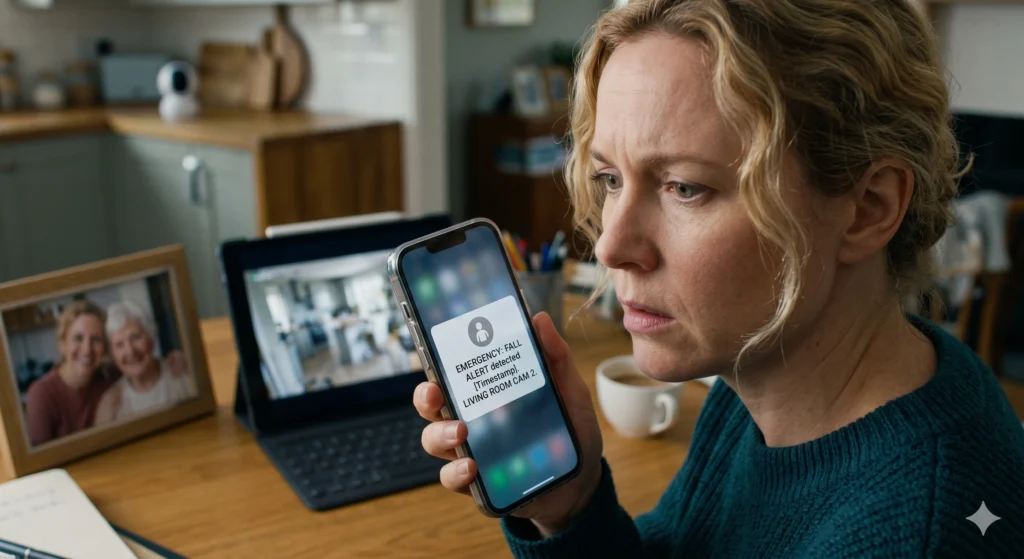
Smart home devices are often marketed to younger people as conveniences, but for seniors, they are vital safety tools that prevent falls.
- Smart Lighting (Alexa or Google Home): Getting out of bed at 2:00 AM in a dark room to find a light switch is how hips get broken. By installing smart bulbs, a senior simply has to say, “Alexa, turn on the hallway light,” ensuring their path is fully illuminated before their feet ever hit the floor.
- Smart Thermostats: The Florida summer heat is lethal. Seniors often struggle to read the tiny numbers on traditional thermostats or physically cannot get up to change them. A smart thermostat (like a Nest or Ecobee) allows them to adjust the temperature via voice. More importantly, it allows the adult child to monitor and adjust the home’s temperature remotely from an app, ensuring the AC is running properly.
- Smart Door Locks: If a senior falls and cannot get to the door to let paramedics or a caregiver inside, a smart lock allows an adult child to remotely unlock the front door from their smartphone anywhere in the world.
As we’ve discussed in previous guides, polypharmacy (taking multiple medications) is a high-risk daily task.
- Automated Locked Pill Dispensers: Traditional plastic pill boxes require the senior to remember what day and time it is. Automated dispensers (like the Hero or MedMinder) are loaded by a caregiver or family member and locked. At the exact prescribed time, the machine flashes a light, sounds an alarm, and dispenses the specific pills.
- Caregiver Alerts: If the pills are not removed from the cup within a certain window, the device sends a text message or app notification directly to the adult child, allowing for immediate intervention.
The traditional “Help, I’ve fallen and I can’t get up” pendant carried a heavy stigma. Seniors refused to wear them because they looked like medical devices, and they only worked within 100 feet of a base station in the house.
Today’s medical alerts are vastly superior:
- Medical Smartwatches: Companies like Medical Guardian and Kanega offer devices that look exactly like an Apple Watch. They operate on cellular networks (meaning they work at the grocery store or the park) and feature GPS tracking.
- Automatic Fall Detection: This is the most crucial upgrade. Using accelerometers, the watch can detect the specific motion of a fall. If the senior is knocked unconscious and cannot press the button, the watch automatically calls emergency services and transmits their exact GPS coordinates.
Technology is a fantastic tool for monitoring and safety, but it has a massive blind spot: It cannot provide physical or emotional care.
An automated pill dispenser cannot pick up the pill if it drops on the floor. A smart camera can tell you your dad hasn’t gotten out of his chair all day, but it cannot make him a nutritious meal. A video call is wonderful, but it cannot replace the warmth of someone holding a senior’s hand.
Adult children often try to use technology to substitute for in-home care to save money, only to realize that tech creates data, not solutions. When the camera alerts you that Mom has fallen, you still need someone to physically go to the house.
At Shal We Home Care, operating in Lee, Collier, and Hendry counties, we view age-tech as our partner, not our replacement.
- Setup and Troubleshooting: We know technology can be frustrating. Our caregivers can help your parents learn how to use their GrandPad, ensure their smartwatch is charged daily, and load the automated pill dispensers accurately.
- The Human Response: When your technology alerts you that something is wrong, we are the ones who can be on the ground. We provide the physical meal prep, the safe shower assistance, and the genuine companionship that no robot or screen will ever replicate.
- Simplify the Screens: Use closed-network, simplified tablets like the GrandPad to ensure frustration-free video calling.
- Voice Control is Fall Prevention: Use smart speakers to control lights and thermostats so seniors don’t have to navigate dark rooms.
- Automate the Meds: Invest in locked, automated pill dispensers that send alerts to your phone if a dose is missed.
- Upgrade to Smartwatches: Ditch the old base-station pendants for GPS-enabled smartwatches with automatic fall detection.
- Tech Needs Humans: Use technology to monitor but rely on professional home care agencies to provide the physical and emotional support required for aging in place.
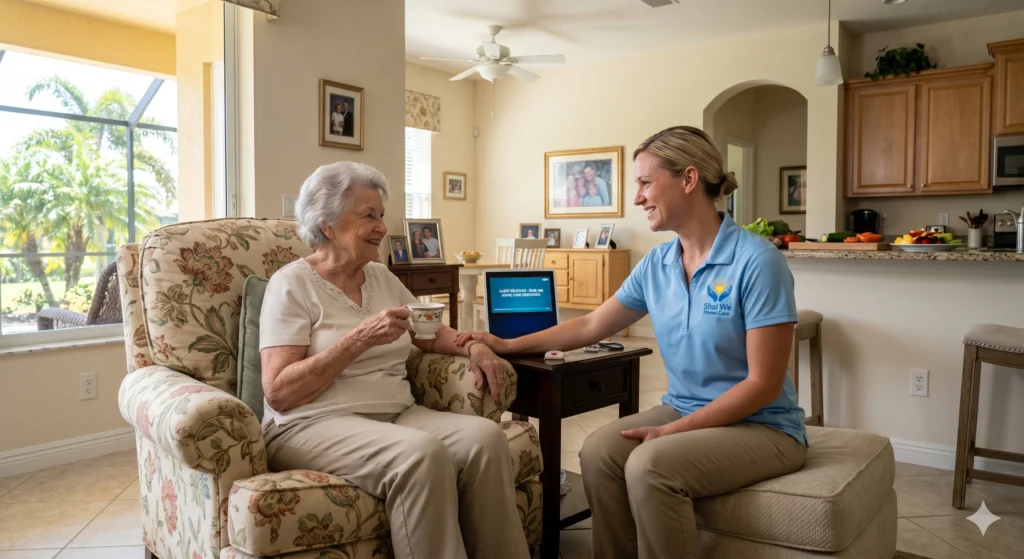
Is your parent struggling to stay safe at home? Combine the power of modern technology with the warmth of human compassion.
Contact Shal We Home Care today to learn how our caregivers can help your family safely manage aging in place in Southwest Florida.