
It is time for professional memory care at home when a senior’s cognitive decline jeopardizes their safety, such as wandering out of the house, leaving stoves on, or mismanaging medication. Severe caregiver burnout, increased nighttime agitation (sun-downing), and a noticeable decline in personal hygiene are also critical indicators that specialized, round-the-clock professional support is necessary.
The Tipping Point in Dementia Care
When a parent is first diagnosed with Alzheimer’s or another form of dementia, families typically rally together to provide care. In the early stages, this might just mean helping with grocery shopping, managing finances, or attending doctor appointments.
But dementia is a progressive disease. Over time, the subtle forgetfulness transforms into complex, unpredictable, and often dangerous behaviors. The realization that you can no longer manage your parent’s care on your own rarely happens overnight; it usually happens after a “tipping point” incident.
Admitting you need help is not a failure. It is the most loving, responsible decision you can make to ensure your parent’s safety and preserve your own health. If you are living in Southwest Florida and wondering if it is time to bring in professional memory care, here are five signs you should not ignore.
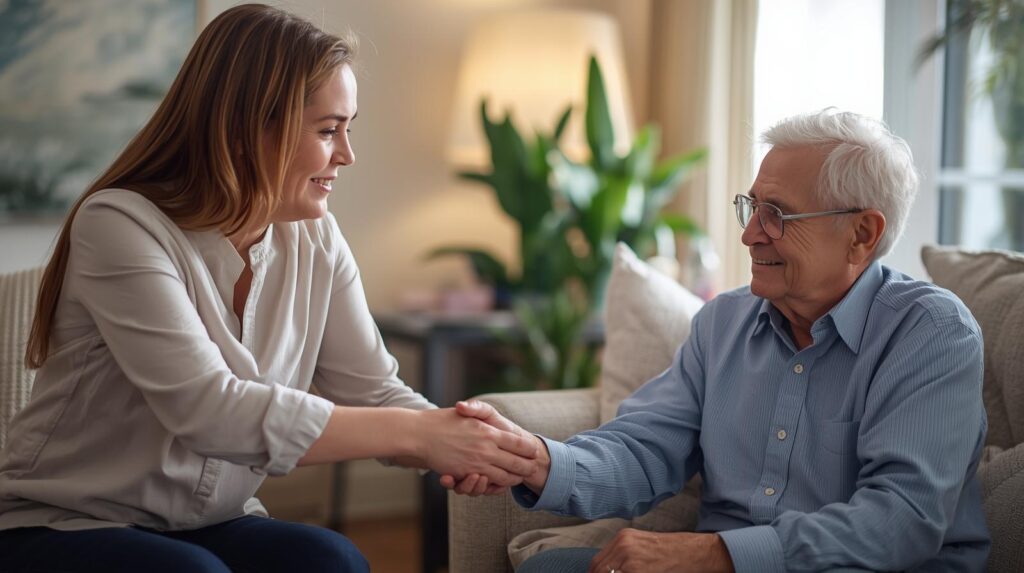
Unsafe Behaviors and Environment
Memory loss eventually impacts a senior’s ability to recognize danger. If their home has become a hazard, immediate intervention is required.
- Kitchen Dangers: Have you found the stove left on for hours? Are there scorched pots and pans hidden in the cupboards? Have they put metal in the microwave?
- Medication Mishaps: Are they taking too many pills because they forgot they already took a dose? Or are they hiding their medication?
- Scams and Strangers: A decline in judgment makes seniors highly vulnerable to financial scams, telemarketers, or letting strangers into the home.
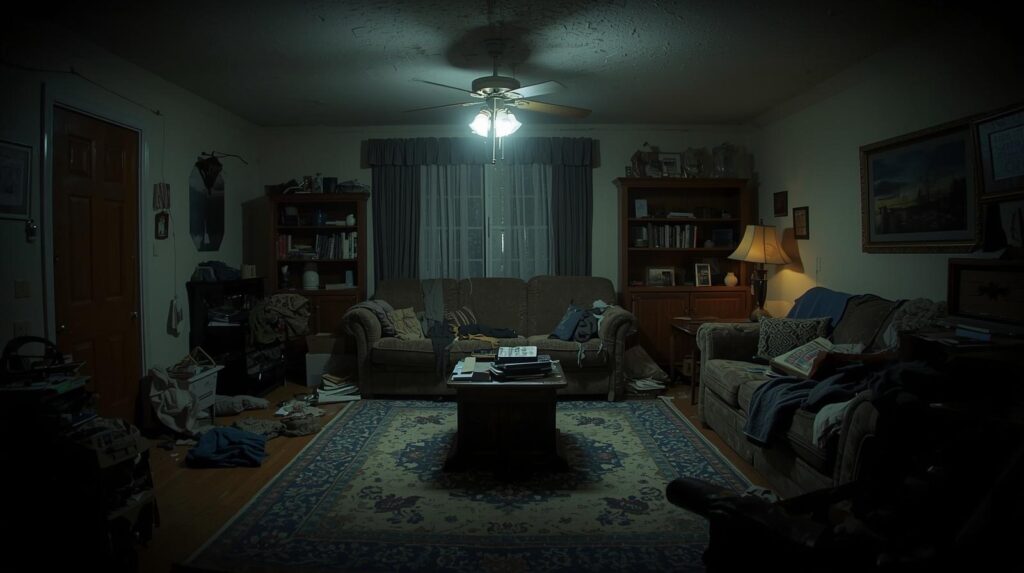
Wandering and Elopement Risks
This is often the most terrifying sign that professional help is needed.
As dementia progresses, seniors may attempt to leave the house to “go to work” or “go home” (even if they are already home).
In Florida, where canals, retention ponds, and extreme heat are everywhere, a senior wandering out the front door can turn fatal in a matter of minutes. If your loved one is attempting to leave the house unsupervised, or if you are losing sleep because you have to guard the door all night, it is absolutely time for a professional memory care caregiver to step in and provide awake supervision.
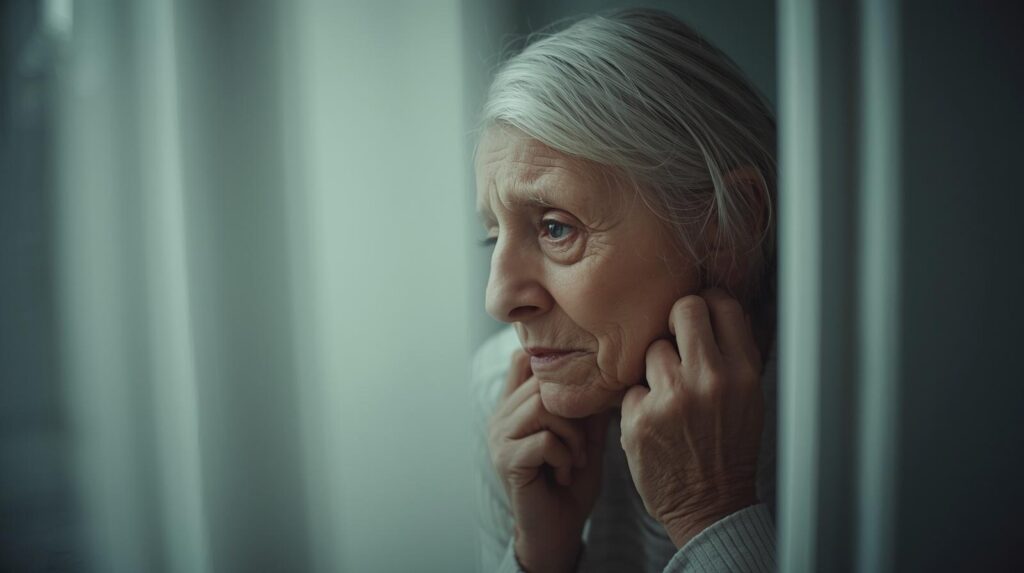
Severe Caregiver Burnout (The Family Crisis)
Often, the most pressing sign that it is time for professional care has nothing to do with the senior, and everything to do with the family caregiver.
You cannot provide safe, compassionate care if you are physically and mentally shattered.
- Are you snapping at your loved one out of frustration?
- Are you neglecting your own health, career, or children?
- Are you suffering from chronic insomnia, depression, or anxiety?
If the primary family caregiver falls ill from exhaustion, the entire care system collapses. Bringing in professional support protects the whole family.

Escalating Agitation and Sundowning
Dementia doesn’t just affect memory; it damages the parts of the brain that regulate emotion and behavior.
Your previously gentle mother may suddenly become verbally abusive, paranoid, or physically combative especially in the late afternoon (a phenomenon known as Sundown Syndrome).
Family members often struggle to handle these outbursts objectively because they are emotionally invested. A professionally trained memory care caregiver knows how to de-escalate these situations, utilize distraction techniques, and remain perfectly calm, restoring peace to the home.
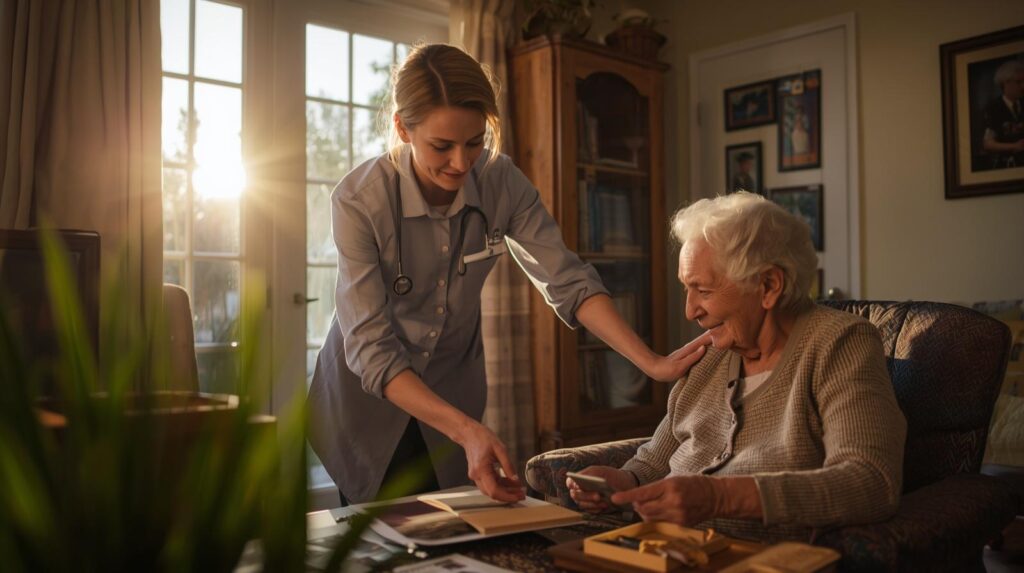
Decline in Hygiene and Nutrition
If your parent was always meticulous about their appearance but is now refusing to bathe, it is a glaring red flag.
- The Fear of Bathing: For a dementia patient, stepping into a shower can feel terrifying. The water may feel like needles, or they may be afraid of falling. They will fight you to avoid it.
- Weight Loss: Are they forgetting how to use utensils? Are they losing weight because they simply forget to eat or can no longer prepare food?
Trained aides know how to navigate the “refusal to bathe” with dignity and can ensure your loved one receives the hydration and nutrition they need.
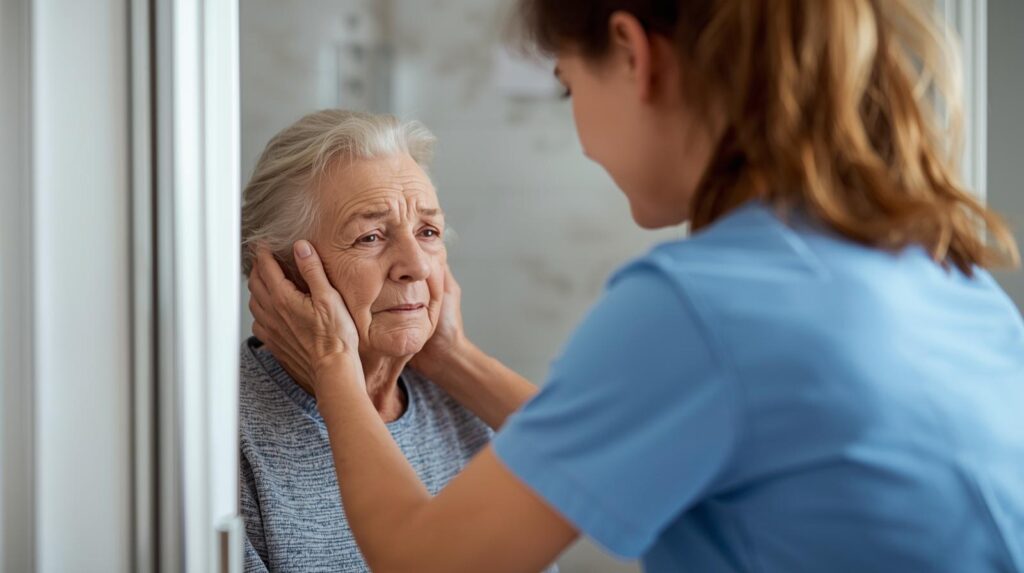
Why Choose In-Home Memory Care Over a Facility?
When families realize they need memory care, they often assume a locked nursing facility is the only option. However, relocating a senior with dementia can actually accelerate their cognitive decline due to “transfer trauma” and severe disorientation.
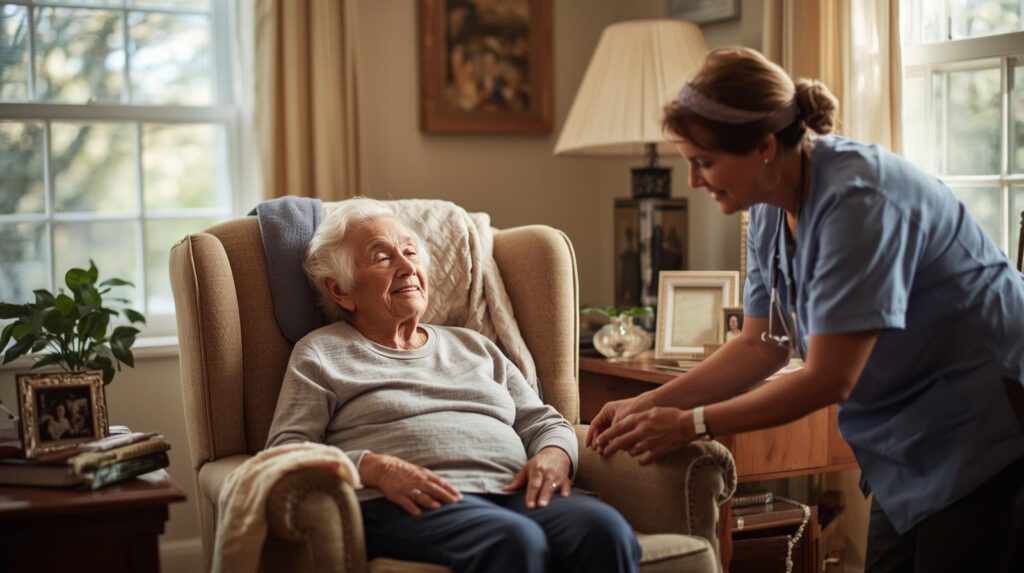
In-Home Memory Care allows your loved one to stay in the familiar environment where their long-term memories are strongest. They get to sleep in their own bed, keep their pets, and maintain their established routines, all while receiving one-on-one, dedicated safety supervision.
How Shal we Home Care Can Help
At Shal we Home Care, serving Lee, Collier, and Hendry counties, we provide specialized dementia and Alzheimer’s care.
- Our caregivers are trained in validation therapy, fall prevention, and de-escalation.
- We can provide part-time respite care so you can rest, or 24/7 around-the-clock awake care to prevent wandering.
- We adapt to your loved one’s reality, providing compassionate support that honors who they were, and who they are now.

Key Takeaways
- Safety First: Unexplained bruises, burnt pans, and medication errors are massive red flags.
- Wandering is an Emergency: If they are attempting to leave the house, you need professional 24/7 supervision immediately.
- Protect the Caregiver: Your exhaustion is a valid and critical reason to hire help.
- Hygiene and Nutrition: Sudden weight loss or refusal to bathe indicates they can no longer manage their basic activities of daily living.
- Stay Home: In-home care prevents the trauma of moving your loved one to an unfamiliar facility.
Are you overwhelmed by your loved one’s dementia symptoms?
You do not have to walk this difficult path alone. Contact Shal We Home Care today for a free, confidential in-home assessment. Let us bring safety and peace back to your family.