
Dehydration in seniors is a serious risk because the natural sense of thirst diminishes with age, and certain medications act as diuretics. Warning signs include dark urine, sudden confusion, dizziness, fatigue, and dry mouth. To increase fluid intake, caregivers should offer high-water foods (like watermelon and soups), set regular hydration alarms, provide small cups of water frequently, and flavor water with fresh fruit.
The Silent Threat of Florida Heat
In Southwest Florida, we enjoy beautiful, warm weather year-round. But that heat comes with a hidden risk, especially for our aging population: severe dehydration.
For a younger adult, dehydration usually feels obvious. We get thirsty, we get a headache, and we reach for a glass of water. But for a senior, dehydration is often a silent, rapid downward spiral. By the time a senior actually feels thirsty, they are usually already dangerously dehydrated.
Dehydration is one of the leading causes of hospitalization among the elderly. At Shal we Home Care, hydration management is a core part of our daily care plans in Lee, Collier, and Hendry counties. Here is what families need to know about spotting, preventing, and creatively managing senior dehydration.

Why Are Seniors So Vulnerable to Dehydration?
Seniors face a “perfect storm” of biological and behavioral factors that make staying hydrated incredibly difficult:
- Diminished Thirst Response: As we age, the brain’s mechanism that signals thirst begins to dull. A senior can literally be parched and their brain simply won’t tell them to drink.
- Decreased Kidney Function: Aging kidneys become less efficient at concentrating urine, meaning seniors lose more water throughout the day.
- Medication Side Effects: Many seniors take medications for high blood pressure or heart failure that act as diuretics (water pills), forcing the body to excrete fluids.
- Mobility and Incontinence Fears: If a senior struggles to walk to the bathroom, or if they are afraid of having an “accident” (incontinence), they will often intentionally restrict their fluid intake to avoid having to use the toilet.

The Dangers: Why Dehydration is a Medical Emergency
Water is the lubricant for the entire human body. When seniors run low on fluids, the consequences are immediate and severe:
- Falls: Dehydration causes a drop in blood pressure, leading to dizziness and fainting when standing up (orthostatic hypotension). This is a primary cause of catastrophic falls.
- Urinary Tract Infections (UTIs): Without enough water to flush out bacteria, the risk of painful UTIs skyrockets.
- Kidney Stones and Failure: Chronic dehydration forces the kidneys to work too hard, leading to long-term damage.

Recognizing the Subtle Signs of Dehydration
Do not wait for them to ask for water. Look for these signs:
- Urine Color: This is the best indicator. Urine should be pale yellow or clear. Dark yellow, amber, or strong-smelling urine means they are dehydrated.
- Dry Mouth and Sunken Eyes: Check if their lips are dry or cracking, and if they have a dry, sticky tongue.
- The “Skin Turgor” Test: Gently pinch the skin on the back of their hand. In a hydrated person, the skin snaps back instantly. If they are dehydrated, the skin will stay “tented” for a few seconds before slowly flattening out.
- Fatigue and Lethargy: Sudden extreme tiredness or an inability to stay awake during the day.

The “Dementia” Misdiagnosis
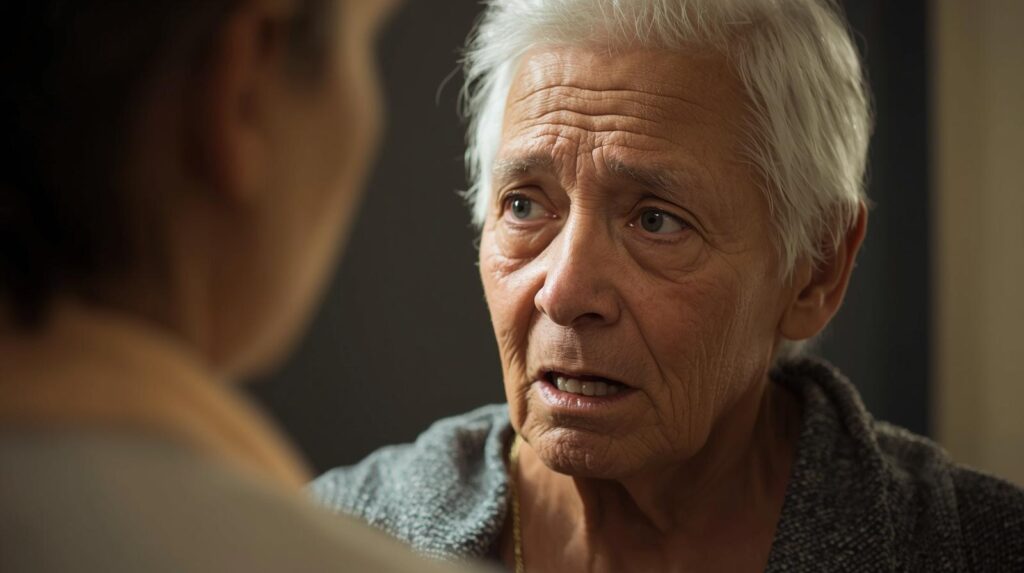
This is a critical point that families must know: Severe dehydration mimics dementia.
When the brain does not have enough fluid, it cannot function. A senior who is perfectly sharp on Monday might be hallucinating, slurring their words, and profoundly confused by Wednesday simply because they haven’t had a glass of water in 48 hours.
If your loved one suddenly exhibits intense cognitive decline or delirium, do not immediately assume it is Alzheimer’s. Get them to a doctor to check for dehydration and UTIs first. Often, an IV bag of fluids will “cure” the sudden dementia within hours.
Creative Ways to “Eat Your Water
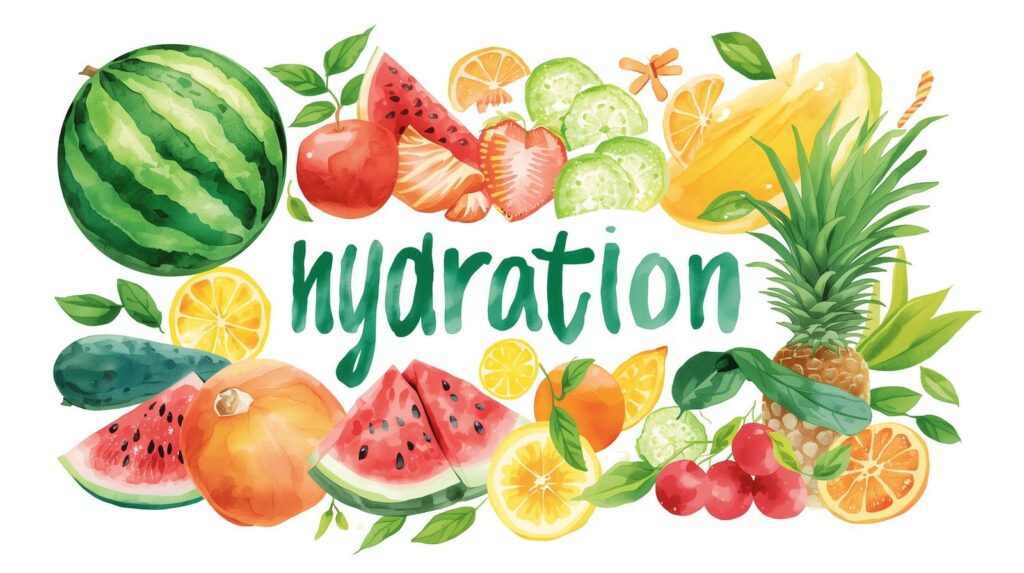
If your loved one refuses to drink plain water, stop fighting them. You can sneak hydration into their diet through food. Roughly 20% of our daily water intake comes from solid foods!
High-Water Foods to Serve:
- Fruits: Watermelon (92% water), strawberries, cantaloupe, peaches, and oranges.
- Vegetables: Cucumbers (96% water), celery, iceberg lettuce, and zucchini.
- Liquid-Based Meals: Serve soups, bone broths, and stews as frequent appetizers.
- Treats: Jell-O, popsicles, applesauce, and smoothies are fantastic ways to make hydration feel like a treat rather than a chore.
Hydration Hacks for Caregivers
- Keep it Visible: Out of sight is out of mind. Keep a lightweight, easy-to-hold cup of water next to their favorite chair at all times.
- Flavor the Water: Plain water can taste metallic to aging tastebuds. Infuse it with lemon slices, cucumber, mint, or a splash of cranberry juice.
- Use the “Medication Window”: Every time they take a pill, encourage them to drink a full, 8-ounce glass of water rather than just a sip.
- Offer Small Amounts Frequently: A massive 32-ounce water jug is intimidating. Offer small, 4-ounce cups every hour. It is less overwhelming to finish.
- Make it a Social Event: “Let’s have a cup of tea together.” People are more likely to drink when someone is drinking with them.

How Shal we Home Care Keeps Seniors Hydrated
When family members are at work, ensuring mom or dad is drinking water is impossible.
At Shal We Home Care, hydration is tracked actively. Our caregivers monitor fluid intake throughout the shift, prepare water-rich snacks, and gently prompt your loved one to drink. If we notice dark urine or signs of confusion, we immediately alert the family to prevent a hospital trip.

Key Takeaways
- Thirst is Broken: Seniors often do not feel thirsty even when severely dehydrated.
- Watch for Confusion: Sudden delirium or “dementia-like” symptoms are often caused by dehydration.
- Eat Your Fluids: Use watermelon, soups, and popsicles to hydrate seniors who refuse to drink water.
- Flavor and Accessibility: Make water taste better with fruit infusions and keep a small cup visible at all times.
- Professional Monitoring: In-home caregivers provide the constant reminders necessary to keep seniors hydrated safely.
Worried your loved one isn’t drinking enough?
Dehydration is preventable. Contact Shal We Home Care today. Let our compassionate caregivers ensure your loved one stays hydrated, healthy, and out of the hospital in Southwest Florida.