
Incontinence is a leading cause of caregiver burnout and senior depression. Learn how to manage adult incontinence at home with hygiene, right products, and dignity.
Managing senior incontinence at home requires a proactive approach that prioritizes the senior’s dignity while preventing skin infections. Caregivers should establish a timed voiding schedule (taking the senior to the bathroom every 2 hours), utilize the correct absorbency products (pull-ups vs. tabbed briefs), apply barrier creams to prevent incontinence-associated dermatitis, and ensure aggressive hydration, as concentrated urine irritates the bladder and worsens incontinence. Professional caregivers can assume this intimate task to preserve the parent-child relationship.
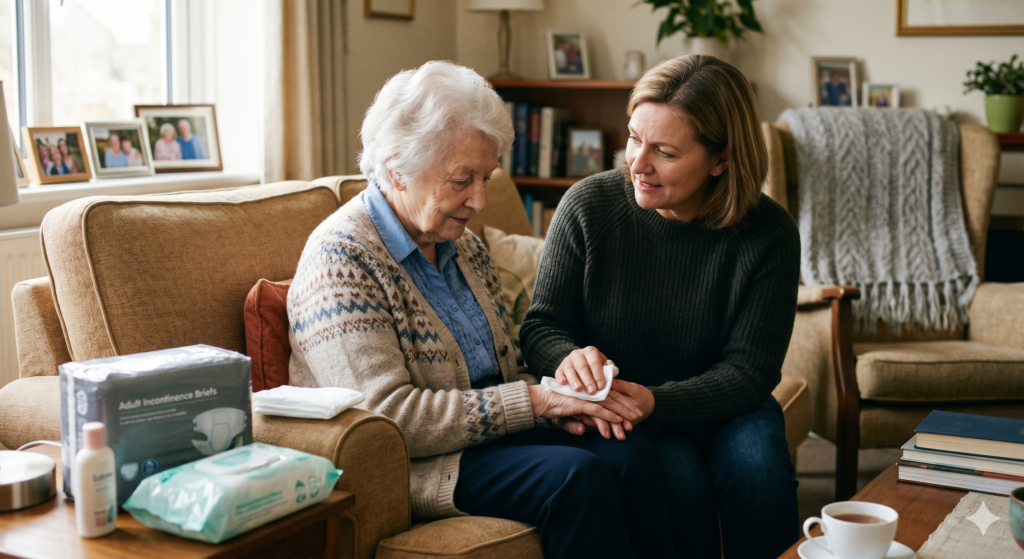
Of all the challenges associated with aging, urinary and fecal incontinence carry the heaviest stigma. It is the symptom seniors try to hide the longest, and it is the caregiving task adult children dread the most.
When an aging parent begins to lose control of their bladder or bowels, the psychological impact is devastating. It feels like the ultimate loss of adult autonomy. Out of deep shame, seniors often begin isolating themselves. They stop going to church, cancel visits with friends, and refuse to leave their homes in Lee, Collier, or Hendry counties because they are terrified of having a public “accident.”
For family caregivers, managing incontinence is physically exhausting and emotionally fraught. Doing your mother’s laundry or changing your father’s adult brief crosses an intimate boundary that strains the parent-child dynamic.
However, incontinence is incredibly common, and it is manageable. By stripping away the shame and approaching it as a standard medical condition, families can implement hygienic, dignified routines that restore a senior’s freedom.
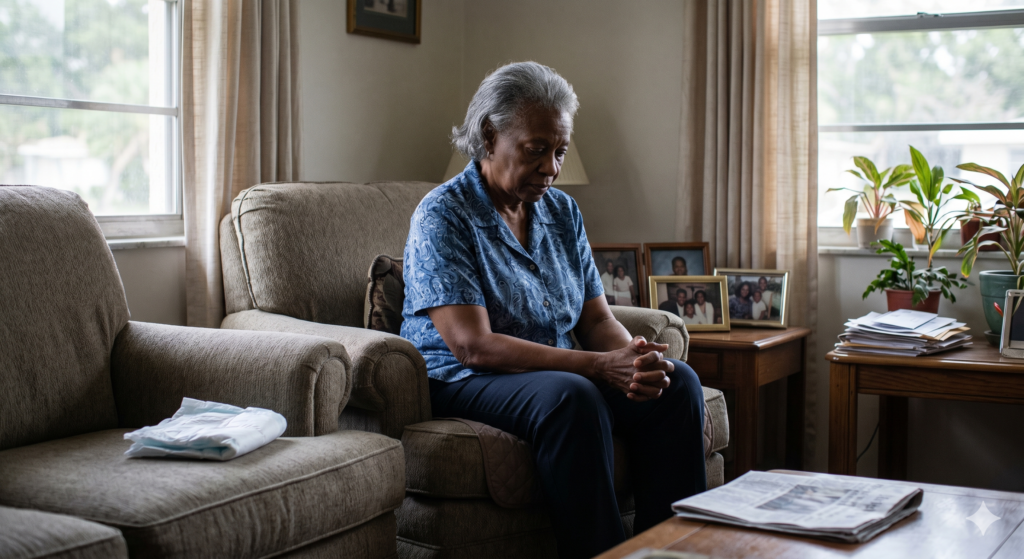
To manage incontinence, you must understand what is causing it. It is not just “getting old.” There are four primary types:
- Stress Incontinence: Leakage caused by sudden pressure on the bladder (sneezing, coughing, laughing, or lifting heavy objects). It is common in older women due to pelvic floor weakening.
- Urge Incontinence (Overactive Bladder): A sudden, intense urge to urinate, followed immediately by involuntary loss of urine. The senior simply cannot make it to the bathroom in time.
- Overflow Incontinence: The bladder never empties completely, leading to constant, continuous dribbling of urine. Common in men with enlarged prostates.
- Functional Incontinence: The urinary system works perfectly fine, but a physical or cognitive barrier prevents the senior from reaching the toilet. For example, severe arthritis makes them walk too slowly, or dementia causes them to forget where the bathroom is located.
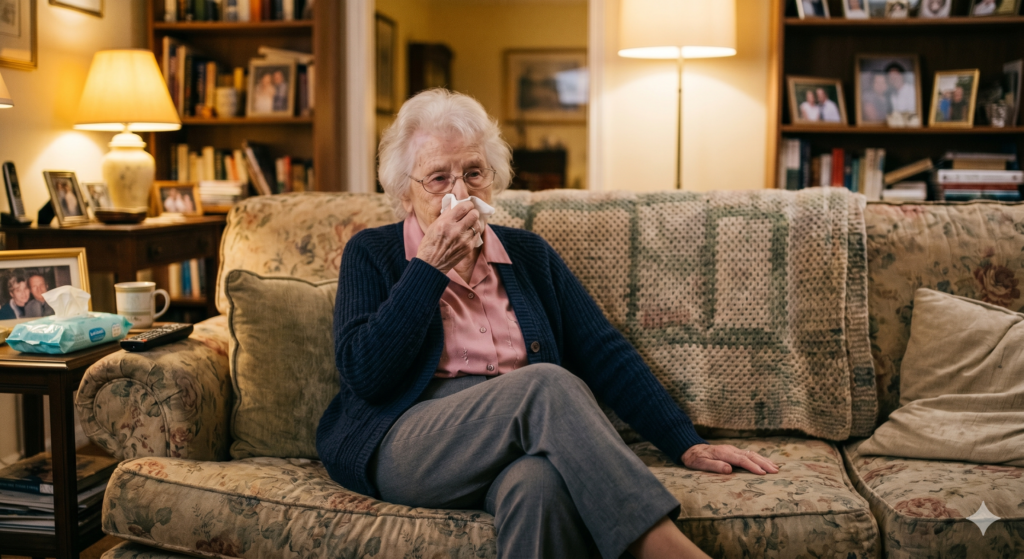
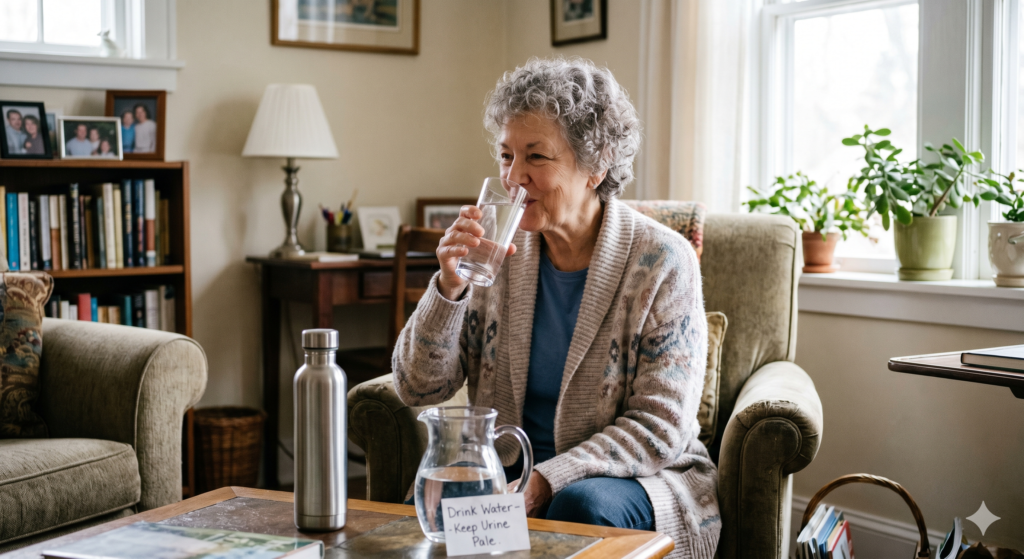
In an attempt to prevent accidents, many seniors employ a dangerous, counterproductive strategy: they intentionally stop drinking water.
In the heat of Southwest Florida, this is a recipe for disaster. Restricting fluids leads to rapid dehydration. When the body is dehydrated, the urine becomes highly concentrated, dark, and acidic. This acidic urine acts as a harsh irritant to the lining of the bladder, causing bladder spasms that actually increase the urgency and frequency of incontinence.
- The Solution: Seniors must drink plenty of fluids throughout the day to keep their urine diluted and pale. To prevent nighttime accidents (nocturia), restrict fluids only during the 2 to 3 hours immediately before bedtime.
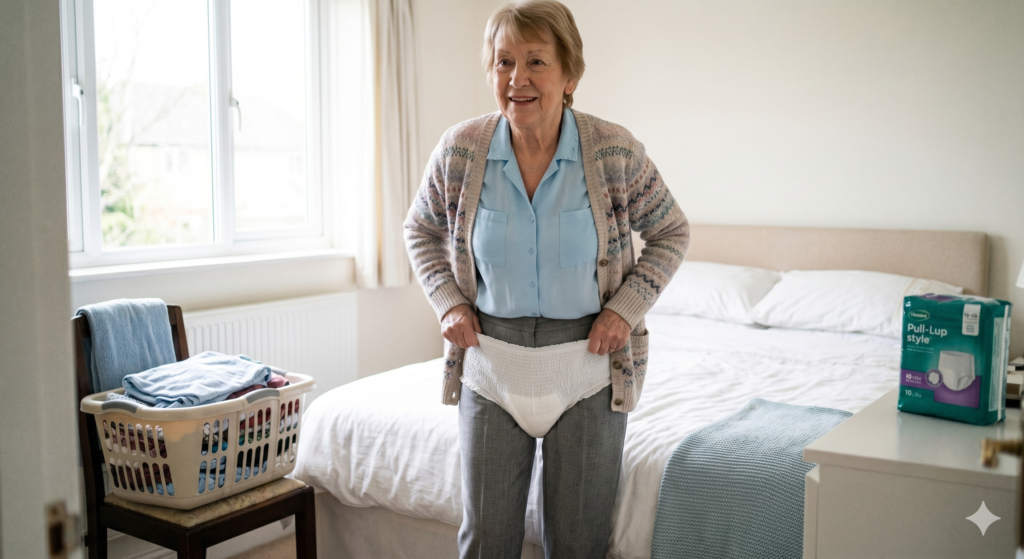
Do not refer to them as “diapers.” Use the terms “briefs,” “pull-ups,” or “protective underwear” to preserve your loved one’s dignity. Using the correct product prevents leaks and saves you hours of laundry.
- Pads/Liners: Good for light stress incontinence. (Note: Never use menstrual pads for urinary incontinence; they do not contain the specific polymers needed to absorb rapid fluid loss and neutralize urine odor).
- Pull-Up Style Underwear: Ideal for seniors who are still mobile and can dress themselves. They slide on and off like regular underwear and are great for moderate urge incontinence.
- Tabbed Briefs: Necessary for seniors who are bedbound or have severe mobility issues. Caregivers can secure tabbed briefs without requiring the senior to stand or remove their pants entirely.
- Chux (Underpads): Always use washable or disposable waterproof pads on beds, recliners, and car seats to protect upholstery from breakthrough leaks.
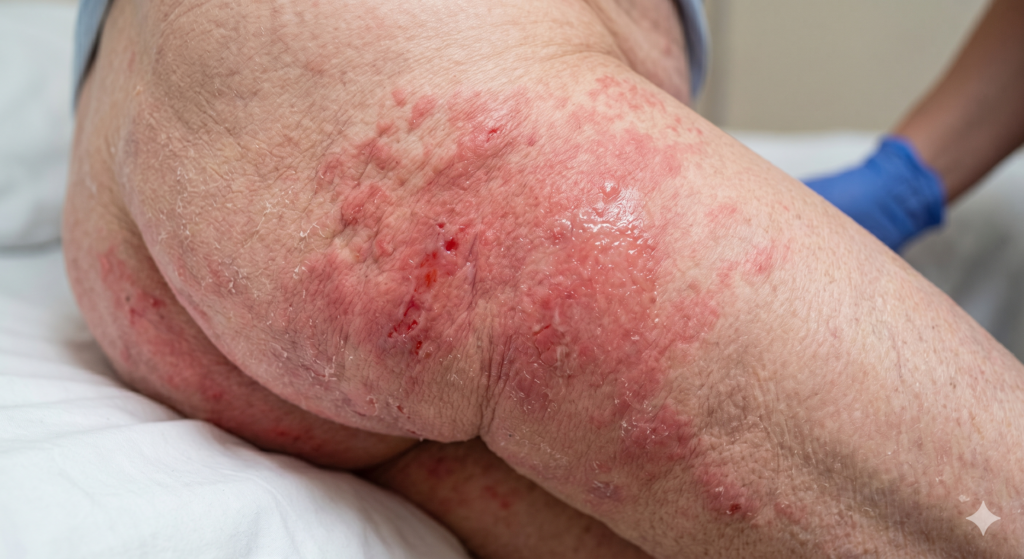
Urine and feces are highly acidic and contain enzymes that rapidly eat away at human skin. If a senior sits in a wet brief for too long, the skin will break down, causing Incontinence-Associated Dermatitis (IAD)—a painful, red rash that easily develops into severe open sores and bacterial infections.
- Prompt Changing: Adult briefs must be checked and changed immediately when soiled.
- Gentle Cleansing: Do not use harsh bar soaps or scrub the skin with rough washcloths. Use specialized, pH-balanced perineal cleansing sprays and soft, pre-moistened wipes designed for adult incontinence.
- The Moisture Barrier: After cleaning and thoroughly patting the skin dry, generously apply a moisture barrier cream (usually containing zinc oxide or dimethicone). This cream creates a waterproof shield over the skin, protecting it from the next accident.
If your loved one suffers from functional incontinence or dementia, they may no longer recognize the body’s signal that it is time to go.
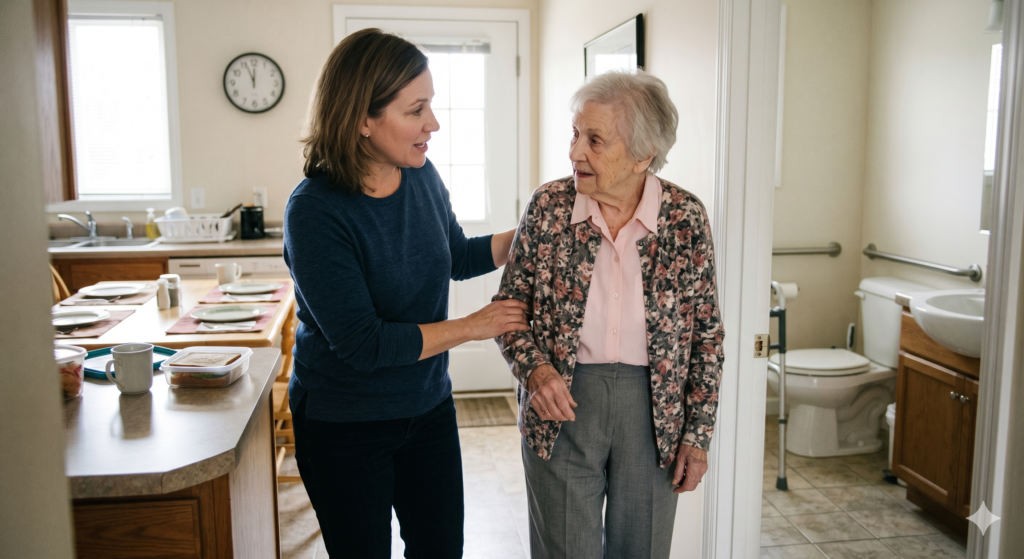
Instead of waiting for an accident, take control of the schedule through Timed Voiding.
- Note how frequently accidents occur. If they have an accident every 3 hours, set a schedule to take them to the bathroom every 2 hours.
- Do not ask, “Do you need to use the bathroom?” A senior with dementia will almost always say “No.”
- Instead, make it a directive: “Mom, it’s time to use the restroom before we have our lunch.” Guide them gently but firmly to the toilet.
Managing a parent’s incontinence is where many family caregivers draw their “hard line.” The smell, the constant laundry, and the physical intimacy required to clean an adult parent cause intense psychological distress. It is completely normal to feel repulsed, overwhelmed, and deeply sad during this process.
If you are struggling to manage this on your own, it is time to outsource this specific task to protect your mental health and your relationship with your parent.
At Shal We Home Care, we believe that personal care should never strip a senior of their dignity.
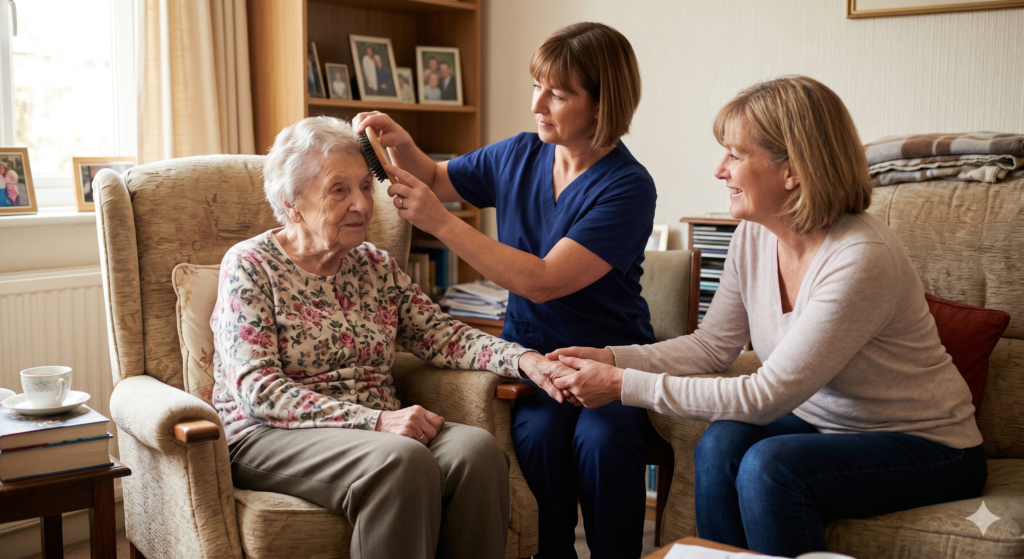
Our Certified Nursing Assistants (CNAs) and Home Health Aides (HHAs) are trained experts in incontinence management.
- Professional Objectivity: We approach toileting and hygiene clinically and respectfully. Seniors are often much more cooperative and less embarrassed when a professional caregiver assists them compared to their own daughter or son.
- Skin Health Monitoring: We meticulously manage barrier creams and hygiene, ensuring your loved one never develops painful skin breakdown.
- Restoring Freedom: Because we handle the logistics of brief changes and bathroom schedules, your loved one can confidently leave the house for appointments and social outings, ending their isolation.
- Hydration is Key: Restricting water concentrates urine and worsens bladder spasms; ensure adequate daytime hydration.
- Use the Right Terminology: Protect their dignity by using words like “protective underwear” or “briefs,” never “diapers.”
- Protect the Skin: Apply a zinc oxide barrier cream after every single change to prevent painful rashes and skin breakdown.
- Implement Timed Voiding: Take the senior to the toilet on a strict 2-to-3-hour schedule to prevent accidents before they happen.
- Outsource the Intimacy: Hire professional home care to manage hygiene, preserving the emotional parent-child bond.
Is incontinence keeping your loved one trapped at home? Restore their dignity and your peace of mind.
Contact Shal We Home Care today. Let our highly trained professionals manage the daily hygiene routine so your family can focus on spending quality time together.5