
Sundown syndrome is a state of severe confusion, anxiety, and agitation that occurs in the late afternoon and evening for individuals with Alzheimer’s or dementia. To manage sundowning at home, caregivers should establish a strict daily routine, maximize exposure to natural sunlight during the day, limit afternoon caffeine and sugar, and create a calm, softly lit environment before dusk to ease the transition into night.
The “Witching Hour” of Dementia Care
For many family caregivers in Southwest Florida, the morning and early afternoon are manageable. Your loved one might be pleasant, cooperative, and relatively clear-headed. But as the sun begins to dip towards the horizon, a dramatic shift occurs.
Suddenly, a sweet mother becomes aggressively paranoid, insisting she needs to “go home” (even though she is sitting in her own living room). A quiet father begins pacing the halls, shadowing your every move, and exhibiting extreme anxiety.
In the memory care community, this phenomenon is known as Sundown Syndrome (or “sundowning”). It is one of the most exhausting, emotionally draining aspects of Alzheimer’s and dementia care because it hits right when the family caregiver is most tired from the day. You do not have to just “suffer through it.” There are proven, proactive strategies to turn the volume down on sundowning.

What Causes Sundown Syndrome?
Medical science does not have one definitive cause for sun-downing, but it is widely believed to be a combination of several physiological and environmental factors colliding at the end of the day:
- Circadian Rhythm Disruption: Dementia physically damages the part of the brain that regulates the “internal clock” (the sleep-wake cycle). As the light changes, the brain receives crossed signals, causing confusion.
- End-of-Day Exhaustion: Just like a toddler gets cranky when they are overtired, a senior with dementia experiences profound mental fatigue by 4:00 PM. Coping with memory loss all day is exhausting, and their “filter” simply breaks down.
- Sensory Deprivation (Shadows): As the sun sets, shadows lengthen in the house. To a damaged brain, a shadow in the corner can look like an intruder or a hole in the floor, triggering intense fear.
- Unmet Needs: Because communication skills decline, agitation is often the only way they can express that they are hungry, thirsty, in pain, or need to use the restroom.

Recognizing the Symptoms of Sun-downing
Sun-downing rarely looks exactly the same in two different people, but common symptoms include:
- Uncharacteristic anger, yelling, or physical aggression.
- Pacing, wandering, or “shadowing” (following the caregiver inches behind them).
- Hallucinations or delusions (e.g., “People are outside trying to get in”).
- Intense demands to “go to work” or “pick up the kids” (reverting to a past stage of life).
- Crying, intense sadness, and paranoia.

Environmental Adjustments: Controlling Light and Sound
You can manipulate the environment to ease the transition from day to night.
1. The “Light Trick”
Because fading light triggers confusion, beat the sunset. At 3:30 PM, go through the house and turn on every single light. Close the blinds so they cannot see the darkness falling outside. Keep the house brightly and evenly lit to eliminate frightening shadows.
2. Reduce the Evening Chaos
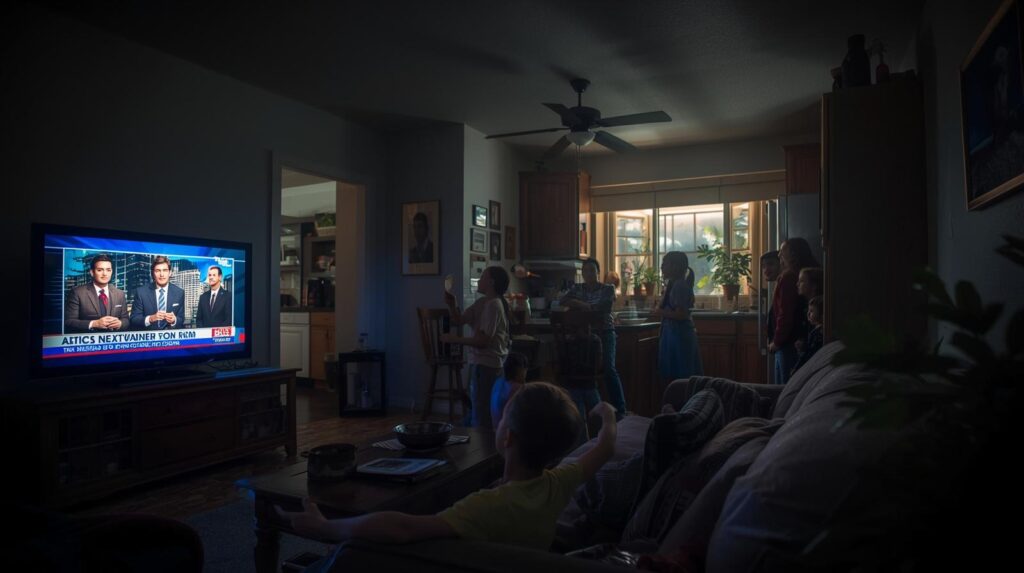
Late afternoon is usually the busiest time in a household. The TV is blaring the evening news, kids are coming home from school, and dinner is clattering in the kitchen. This sensory overload triggers meltdowns.
- Turn off the news (which is often negative and stressful).
- Play soft, familiar, calming music from their youth.
- Keep your own voice low, slow, and soothing.
Routine and Diet: Internal Clock Management
1. Maximize Morning Sunlight
Reset their internal clock by getting them outside in the morning. A short walk or sitting on a Florida lanai in the bright morning sun suppresses melatonin (the sleep hormone) and tells the brain it is time to be awake.
2. Limit Afternoon Naps
If they sleep for three hours in the afternoon, their nighttime sleep drive will be destroyed. Limit naps to 20-30 minutes, or keep them engaged in light activities during the day to ensure they are actually tired at bedtime.
3. Dietary Restrictions
- No Caffeine after Lunch: Cut off coffee, tea, and soda by 1:00 PM.
- Limit Sugar: Avoid sugary treats in the afternoon, which cause energy spikes and subsequent crashes.
- Eat a Heavy Lunch, Light Dinner: Digestion takes energy. A heavy dinner can cause discomfort that leads to nighttime agitation. Serve the biggest meal at noon.

Behavioral Strategies: How to React in the Moment
When the sun-downing hits, your reaction dictates whether the situation de-escalates or explodes.
- Do Not Argue: If they say, “I need to go home,” do not say, “You are home.” This invalidates their feeling. Instead, say, “Tell me about your home. What does your kitchen look like?” Validate their emotion (homesickness) rather than correcting their geography.
- Use Distraction: If they are pacing anxiously, hand them a warm, damp washcloth and ask them to help you wipe down the table. Give them a simple, repetitive task to occupy their hands and redirect their brain.
- Check the Basics: Ask yourself: Are they too hot? Do they need the toilet? Are they thirsty? Often, fulfilling a basic need cures the agitation instantly.

How Shal we Home Care Brings Peace to the Evening
Sun-downing is the primary reason family caregivers experience severe burnout. When you have been providing care all day, you rarely have the patience required to handle three hours of evening paranoia.
At Shal We Home Care, we specialize in “Tuck-In” services across Lee, Collier, and Hendry counties.
- A specialized memory care provider can arrive at 4:00 PM, right before the witching hour begins.
- We take over the evening routine: preparing a light dinner, engaging them in calming activities, and managing their hygiene and bedtime transition.
- This allows you, the family caregiver, to finally sit down, relax, and let a trained professional handle the hardest part of the day.

Key Takeaways
- Light is Key: Turn on indoor lights and close the blinds before dusk to prevent shadows and visual confusion.
- Routine is Safety: Keep the daily schedule rigid and avoid afternoon caffeine and long naps.
- Don’t Argue: Validate the emotion behind the anxiety rather than arguing the facts.
- Reduce Sensory Clutter: Turn off the evening news and play calming music to soothe the nervous system.
- Bring in the Pros: Utilize specialized caregivers for late-afternoon shifts to prevent your own caregiver burnout.
Are evenings becoming a battleground?
Restore the peace in your home. Contact Shal We Home Care today to learn how our trained dementia caregivers can help manage sundown syndrome and give you the evening rest you desperately need.